If you want a part of Gilbert where dinner, weekend plans, and a quick stroll can all happen within a few blocks, the Heritage District stands out fast. This is the kind of area that appeals to people who want convenience, energy, and a neighborhood feel without giving up everyday practicality. Whether you are thinking about moving nearby or just trying to understand what life there really feels like, this guide will walk you through the rhythm of daily life around Gilbert’s historic downtown core. Let’s dive in.
What the Heritage District is
Gilbert’s Heritage District is the town’s original townsite and cultural and historical center. According to town redevelopment materials, the district covers about 0.3 square miles, which helps explain why so much of the experience feels compact and easy to navigate.
It is also an area that has changed over time in a very intentional way. The town designated it as a Redevelopment Area in 1989 and later as an Entertainment District in 2013, shaping it into a destination with dining, retail, arts, and public gathering spaces.
Why daily life feels different here
One of the biggest draws of the Heritage District is how much you can do without driving far once you arrive. Town materials highlight more than 30 restaurants, eclectic retail, arts features, an established theater, a historical museum, a gallery, two universities, and free public parking.
That mix gives the area a routine that feels fuller than a typical suburban commercial corridor. You might grab coffee in the morning, meet friends for dinner later, stop by a weekend market, and still feel like everything is close together.
Dining and social life
If you enjoy having plenty of food options nearby, this area delivers. Discover Gilbert describes the Heritage District as one of the region’s strongest dining and nightlife nodes, with abundant patio seating and a dense cluster of eateries within walking distance.
Examples often highlighted in tourism materials include Liberty Market, O.H.S.O. Brewery, Barrio Queen, Clever Koi, Joyride Taco House, Hundred North Bar & Kitchen, and Dierks Bentley’s Whiskey Row. The bigger point is not any one restaurant. It is the fact that you have a true cluster of choices, which makes casual plans easier on a weekday or weekend.
For everyday living, that convenience matters. Instead of treating dining out like a big outing, you can fold it into your regular routine, whether that means a quick lunch, an evening patio meet-up, or a last-minute dinner close to home.
Arts and entertainment in the district
The Heritage District is not just about restaurants. Its identity also shows up in public art, murals, glowing benches, and the lighting around the water tower area, which adds character even when you are simply walking through.
Town and tourism resources also point to a theater, museum, gallery, and recurring live programming. That means entertainment here can feel more built into the neighborhood, rather than something you have to plan far in advance across town.
Water Tower Plaza is also used as a venue for events such as Gilbert Concerts in the Parks. For residents nearby, that creates a sense of activity that can make the area feel lively throughout the year.
Water Tower Plaza and outdoor time
A big part of everyday life in the Heritage District centers on Water Tower Plaza. This 0.7-acre public gathering space opened in 2008 and includes a shaded splash pad, event lawn, water wall, picnic grove, seating, bike racks, and restrooms.
That combination makes it useful in a very practical way. You are not just looking at a decorative downtown park. You have a spot for a short walk, a place to pause with coffee, and a flexible gathering space when events are happening.
If you have young children or visiting family, the splash pad may be especially helpful to know about. The town says it is open daily from 7:00 AM to 10:00 PM from March 1 through November 30, with weather and seasonal variation.
What weekends can look like
One of the simplest ways to picture life here is to think about a Saturday morning. The Heritage District Farmers Market runs on Saturdays behind the Park University and University of Arizona building, with parking available in the Vaughn Avenue Garage or nearby surface lots.
For many people, that kind of recurring event helps a place feel lived-in rather than purely commercial. You can build routines around it, whether that means a morning walk, shopping the market, or meeting someone nearby for breakfast after.
That steady flow of events and activity is part of what gives the district its appeal. It offers movement and options, but in a relatively compact setting.
Housing around the Heritage District
From a housing perspective, the Heritage District has more variety than many people expect from a downtown-style area. The district overlay is designed to support a compact and diverse environment with a village, urban, or work-live feel.
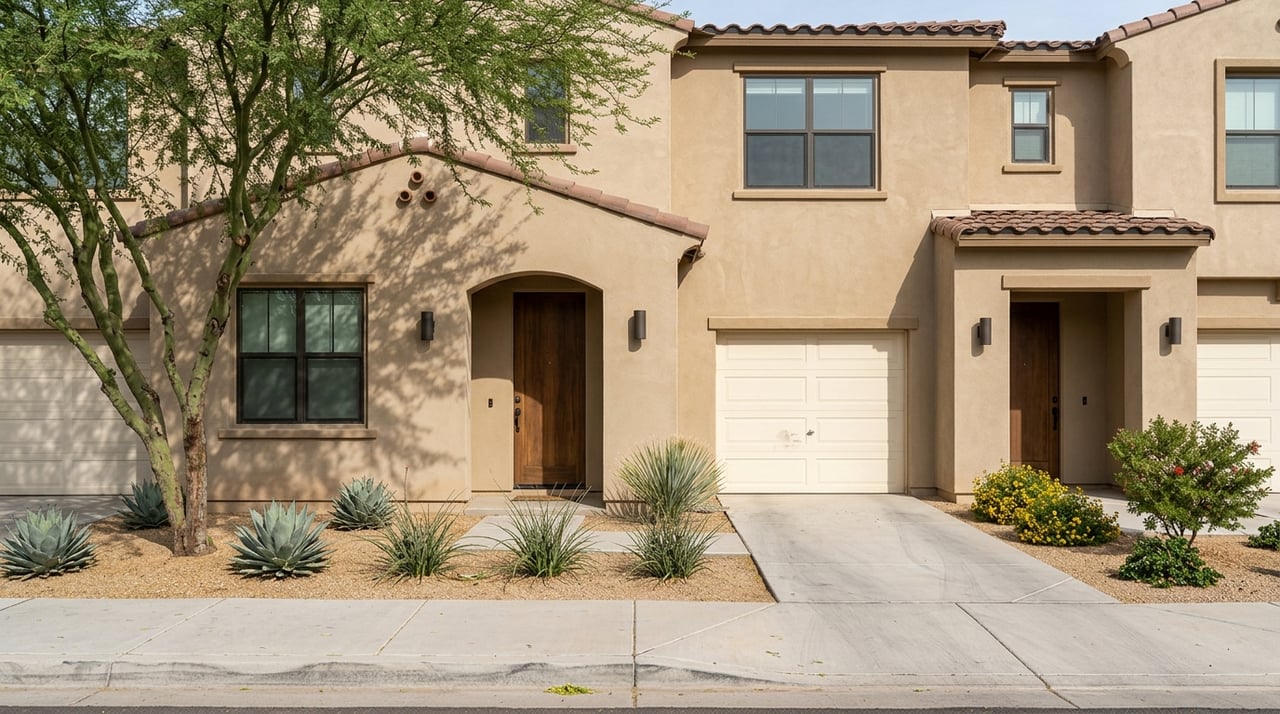
Town code addresses several residential formats within the overlay, including Single Family-6, Single Family-7, single-family detached, and multi-family development. The Heritage Village Center zoning district also encourages high-density residential uses alongside retail, service, office, lodging, entertainment, and cultural uses.
In plain terms, that means the area is not limited to one housing type. Instead, it supports a layered residential profile that can include detached homes, multi-family living, and housing that fits closer to the district’s walkable activity core.
Single-family options in the district
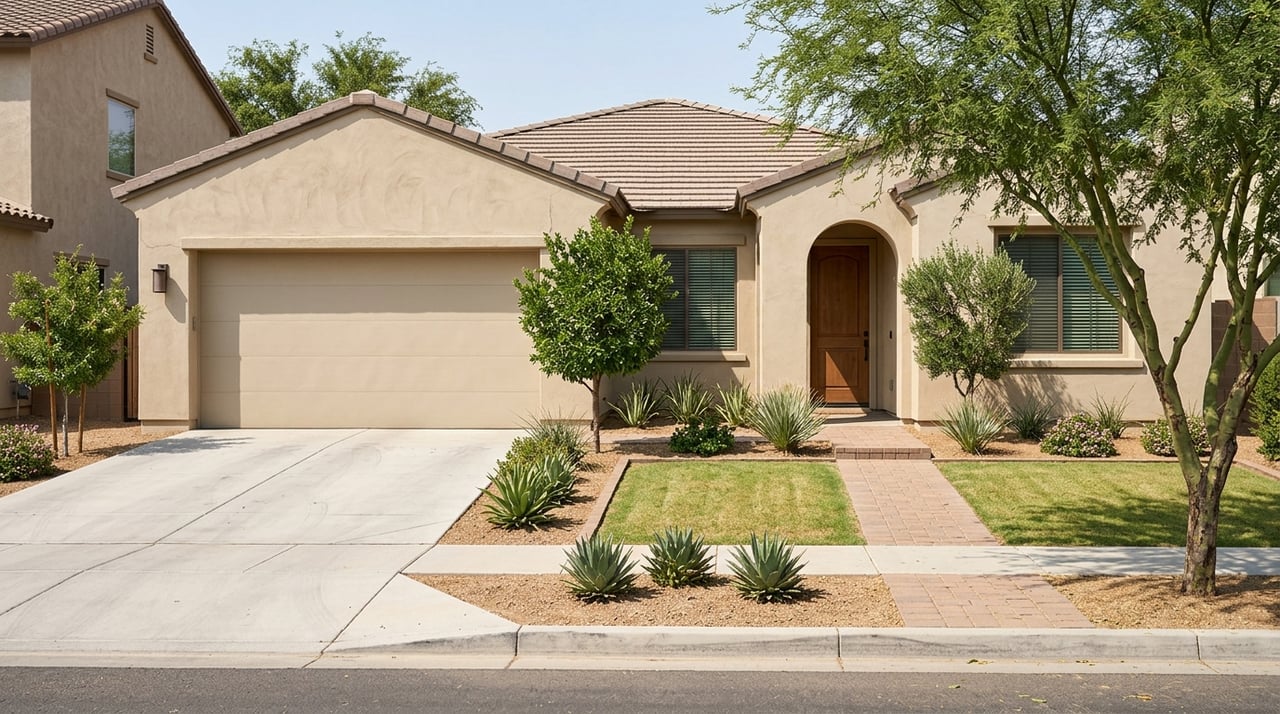
Town materials say Single Family-6 is the most visible neighborhood within the district boundary. They also note that Single Family-7 is intended to preserve the area’s one-story suburban ranch character.
The code further explains that single-family detached homes in the overlay may include patio homes, zero-lot-line homes, or bungalow lots. That range gives buyers a few different ways to think about maintenance, lot size, and how close they want to be to the center of activity.
Mixed-use growth nearby
The district’s residential story is also still evolving. Heritage Park broke ground as a 10-acre mixed-use destination planned to include restaurants, retail, residential space, and a community-focused town square.
South Anchor, at Gilbert and Elliot, is another gateway site near the Lacy Tract neighborhood that will consider office, neighborhood-scale retail, and residential uses. For buyers and sellers, this matters because the street scene and housing choices may continue to shift over time.
Practical perks and trade-offs
One of the most useful details for daily life is parking. The town says public parking in the Heritage District is free and easily accessible, which can make a big difference in how often you actually use the area.
At the same time, this is an active district with ongoing projects, events, and occasional road impacts. The town maintains district information for parking, events, road closures, and construction updates, which tells you something important about the area: it is active, evolving, and not frozen in place.
For some people, that is a positive because it signals investment and momentum. For others, it is worth understanding upfront if you prefer a quieter, more settled routine.
Who tends to enjoy this lifestyle
The Heritage District often fits people who want a more walkable, amenity-rich routine close to dining, events, and neighborhood-scale urban living. That can appeal to renters, buyers, and homeowners who value access and activity as much as square footage.
It can also work well if you like having choices built into your day. A compact district with restaurants, outdoor gathering spaces, public events, and varied housing types creates a lifestyle that feels flexible and connected.
If your priority is a home near the center of action, this part of Gilbert offers a strong case. If you prefer more separation from restaurants, events, and downtown traffic patterns, you may want to compare nearby neighborhoods and home styles carefully.
What buyers and sellers should keep in mind
For buyers, the key is matching the lifestyle to the property. A home near the Heritage District may offer easier access to restaurants, events, and public spaces, but each pocket can feel a little different depending on housing type, street layout, and proximity to the busiest blocks.
For sellers, the location story can be especially important. Homes near an established and growing district often benefit from a lifestyle narrative that goes beyond the house itself, especially when buyers are looking for convenience, character, and nearby amenities.
That is where neighborhood-level guidance matters. Understanding how the Heritage District functions day to day can help you make a more confident move, whether you are buying your next place or preparing to sell.
If you are thinking about buying or selling near Gilbert’s Heritage District, working with a team that understands both the numbers and the neighborhood experience can make the process much smoother. Connect with The Real Estate Experts of Phoenix for local guidance tailored to your goals.
FAQs
What is Gilbert’s Heritage District in Gilbert, AZ?
- Gilbert’s Heritage District is the town’s original townsite and cultural and historical center, covering about 0.3 square miles with dining, retail, arts, and public gathering spaces.
What is daily life like around Gilbert’s Heritage District?
- Daily life around Gilbert’s Heritage District can feel walkable and active, with restaurants, events, public spaces, and recurring community programming all close together.
What types of homes are near Gilbert’s Heritage District?
- Housing near Gilbert’s Heritage District can include single-family homes, patio homes, zero-lot-line homes, bungalow lots, and multi-family options based on the district overlay and zoning mix.
Is parking free in Gilbert’s Heritage District?
- Yes, town materials say public parking in Gilbert’s Heritage District is free and easily accessible.
What can you do at Water Tower Plaza in Gilbert’s Heritage District?
- Water Tower Plaza offers a shaded splash pad, event lawn, water wall, picnic grove, seating, bike racks, and restrooms, making it a central spot for outdoor time and community events.