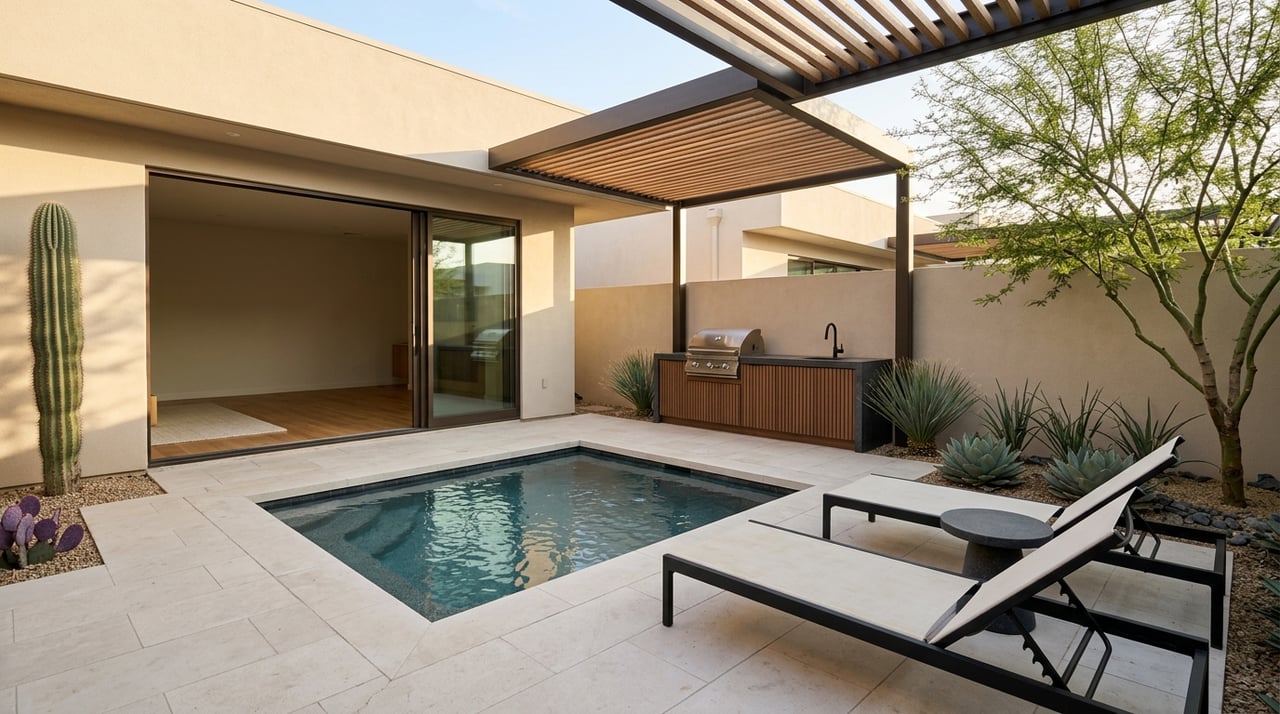
If you only visit Scottsdale in one season, you miss the bigger story. Life here can feel very different in July than it does in January, and that seasonal rhythm shapes everything from your weekend plans to the home features you may value most. If you are thinking about buying, selling, or simply getting to know the area better, understanding how Scottsdale changes through the year can help you make a smarter move. Let’s dive in.
Scottsdale Life Changes With the Seasons
Scottsdale sits in the Sonoran Desert at the foot of the McDowell Mountains, and the city reports about 314 sunny days per year. NOAA normals for Scottsdale Municipal Airport show average highs around 66.5°F in January and 104.1°F in July, with 8.73 inches of annual precipitation. In plain terms, sunshine is a constant, but daily life still shifts a lot by season.
The city also has a long north-to-south footprint, stretching 31 miles, with elevations ranging from 1,150 to 4,877 feet. That means your experience may vary somewhat depending on where in Scottsdale you spend your time. Even so, the bigger pattern stays the same: summer is about heat management, while fall through spring is when many residents make fuller use of outdoor living.
Summer in Scottsdale Means Planning Around Heat
Summer arrives early and lingers. Scottsdale Fire notes that temperatures can exceed 110°F from May through October, and July and August can also bring brief thunderstorms and lightning. That affects not just comfort, but also your daily routine.
In practice, many residents shift outdoor activities to early mornings, evenings, or cooler months. Walks, hikes, and patio time often happen before the day heats up. Midday becomes more about indoor spaces, shaded areas, pools, or quick errands instead of long stretches outside.
If you are house hunting in summer, this season can actually teach you a lot. You can quickly tell which homes feel prepared for Scottsdale weather and which ones may need improvements. Features like strong HVAC performance, shade structures, mature trees, and shaded patios tend to stand out when the heat is at its peak.
Heat Safety Is Part of Everyday Living
Outdoor recreation is still part of Scottsdale life in hot weather, but it requires planning. Scottsdale Fire recommends carrying at least a quart of water, wearing sturdy footwear, and using a hat, sunglasses, and sunscreen when hiking. Their guidance also notes that rattlesnake activity varies by season, which is another reminder to stay alert on trails.
For many residents, that means adjusting expectations rather than avoiding the outdoors completely. You learn to match your plans to the forecast and the time of day. That rhythm becomes second nature for full-time residents and seasonal homeowners alike.
Fall Through Spring Opens Up the City
When temperatures ease, Scottsdale feels wider open. The cooler stretch from fall through spring is when patios fill up, trails get busier, and outdoor community events become a bigger part of daily life. This is the season that often defines the Scottsdale lifestyle people picture before moving here.
Winter, in particular, is one of the city’s busiest and most visible seasons. Major events and comfortable weather draw both residents and visitors into public spaces, entertainment districts, and recreation areas. If you are considering a move, this is often the season when you can best see Scottsdale’s social energy on display.
Winter Brings Signature Scottsdale Events
Scottsdale’s event calendar gets especially active in winter. The WM Phoenix Open, hosted at TPC Scottsdale since 1987, is one of the area’s best-known annual events. Barrett-Jackson’s Scottsdale Auction also takes place at WestWorld in January, and the Scottsdale Arabian Horse Show appears on the city’s February calendar.
Old Town adds another layer to the seasonal experience. Western Week, held in late January or early February, includes events such as the Parada del Sol Historic Parade and Trail’s End Festival, along with museum, market, and family programming. These events help show how local traditions and seasonal weather work together to shape Scottsdale’s public life.
Fall Has a Distinct Energy Too
Fall is not just a lead-in to winter. Scottsdale’s calendar includes Canal Convergence in November, which the city describes as ten nights of light-based art, workshops, live performances, and outdoor strolling along the Scottsdale Waterfront and canal banks. It is a good example of how the return of cooler evenings changes the way people use public spaces.
For buyers and sellers, this seasonal shift matters. Homes with inviting outdoor areas often feel especially appealing once temperatures drop. A shaded patio, flexible backyard, or easy indoor-outdoor flow can become much more than a design feature during Scottsdale’s most comfortable months.
Old Town Supports a Year-Round Lifestyle
Old Town Scottsdale helps keep the city active in every season. According to the city, Old Town is home to more than 90 restaurants, 320 retail shops, and more than 80 art galleries. That concentration of dining, shopping, and arts gives residents plenty to do, even when midday summer weather limits outdoor plans.
The Arts District is a big part of that appeal. It hosts a weekly ArtWalk every Thursday, along with additional Gold Palette ArtWalks throughout the year. Because these events continue across seasons, Old Town offers a reliable social and cultural rhythm whether you live in Scottsdale full-time or spend part of the year here.
Outdoor Recreation Is Central to Scottsdale Living
Scottsdale’s outdoor network is one of its biggest lifestyle advantages. The city’s Parks & Recreation department cites more than 1,100 acres of open space, while the Indian Bend Wash Greenbelt runs 11 miles through the city and includes more than 24 grade-separated crossings. These spaces support walking, biking, and everyday recreation across a broad stretch of town.
Then there is the McDowell Sonoran Preserve, a nearly 35,000-acre protected desert landscape with more than 60 miles of trails. That gives residents access to a very different kind of outdoor experience, one centered on desert scenery, trail use, and open space. For many people, this preserve is a major part of what makes Scottsdale feel unique.
Recreation Goes Beyond Hiking
Scottsdale’s recreation options are not limited to trails. City materials also highlight aquatics centers, pickleball, tennis, dog parks, skateparks, biking, fishing, boating, and trail use. That variety matters because it gives you options in different seasons and at different times of day.
In cooler months, you may spend more time outdoors for longer stretches. In hotter months, you may lean more on early-hour activities, water-based options, or indoor recreation. Either way, the city’s amenities support an active lifestyle throughout the year.
Home Features Matter More in a Desert Climate
In Scottsdale, certain home features move from nice-to-have to highly practical. Shade is a major example. The city’s Shade & Tree Plan was created to improve shade infrastructure in both private development and public spaces, reflecting how important shaded environments are in daily life.
That same logic carries over to residential real estate. Homes with mature trees, covered patios, pergolas, or other shade structures often feel more usable across more months of the year. When buyers compare properties, these details can affect how comfortable and functional a home feels beyond square footage alone.
Water-Smart Yards Are Practical
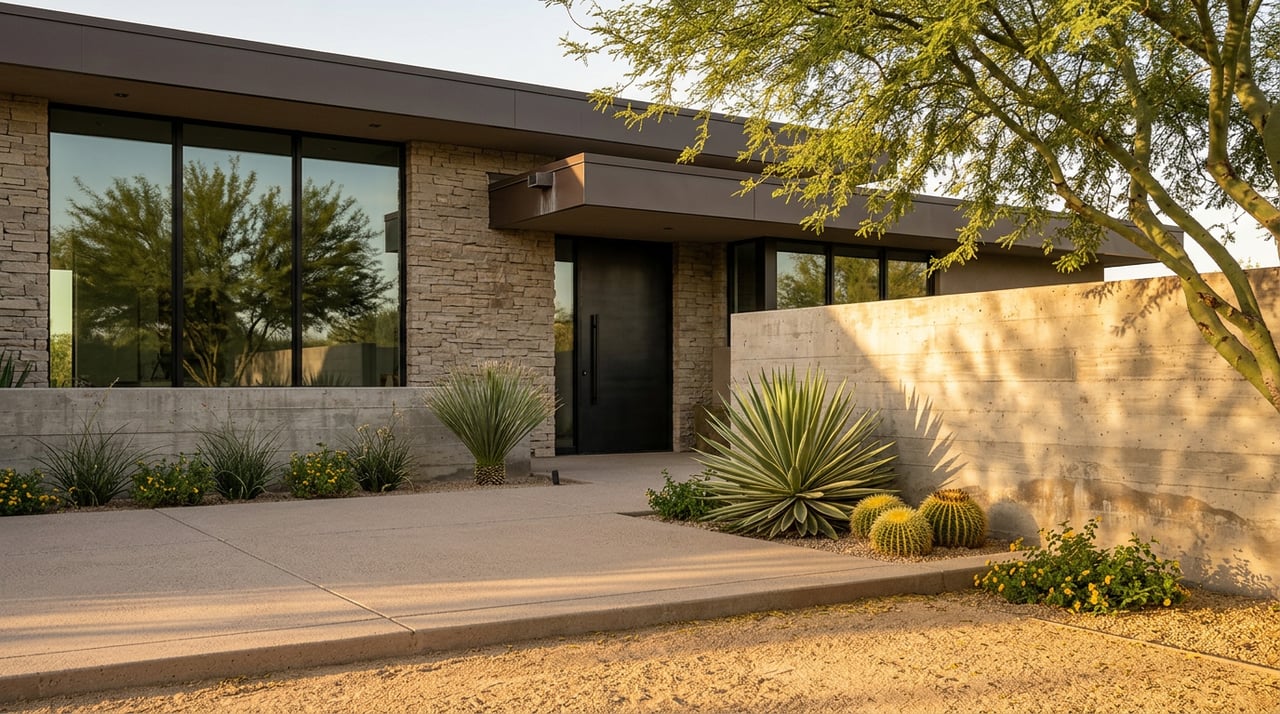
Landscaping choices matter too. Scottsdale Water offers rebates that encourage low-water-use landscapes, smart irrigation components, and water-efficient fixtures. The city’s Xeriscape Garden also helps illustrate how regionally appropriate plants can reduce outdoor water use.
This is especially relevant because Scottsdale Water notes that 1,000 square feet of winter grass can require about 8,000 gallons of water per season. That helps explain why desert-friendly landscaping and efficient irrigation often come up in buyer conversations. For sellers, these features can also help frame a property as easier to maintain in the local climate.
Pools and Outdoor Spaces Serve a Real Purpose
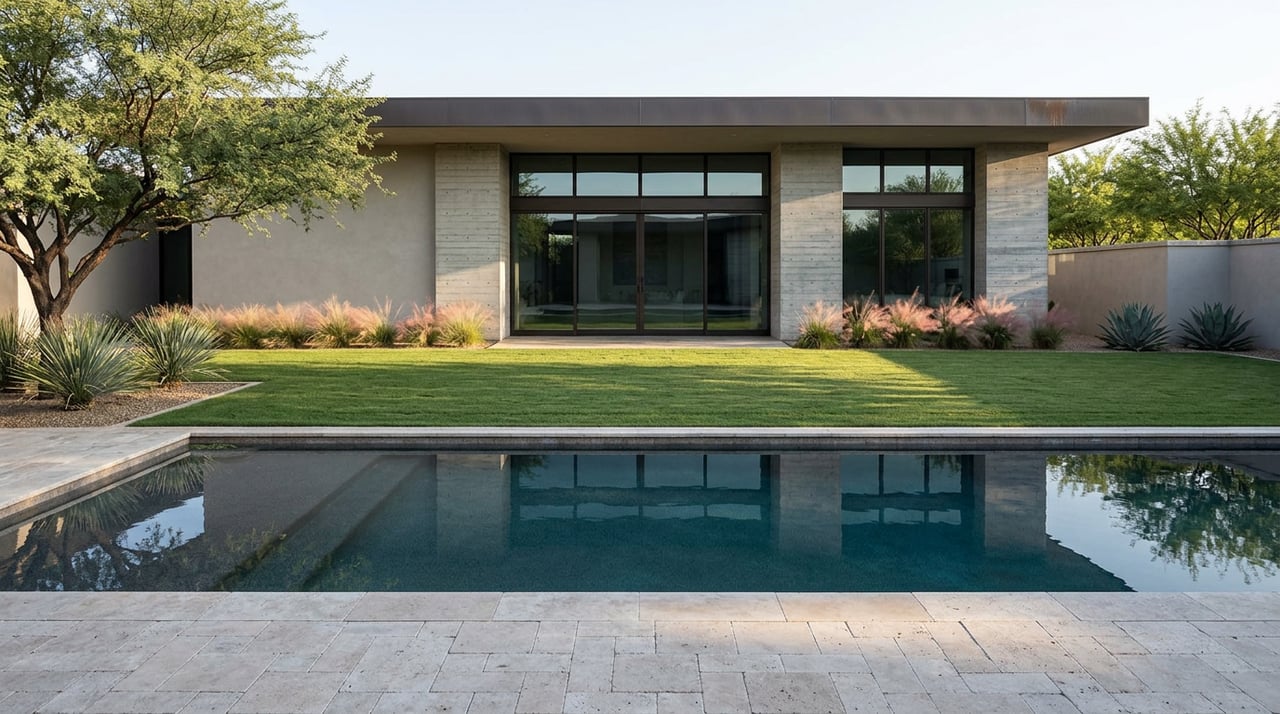
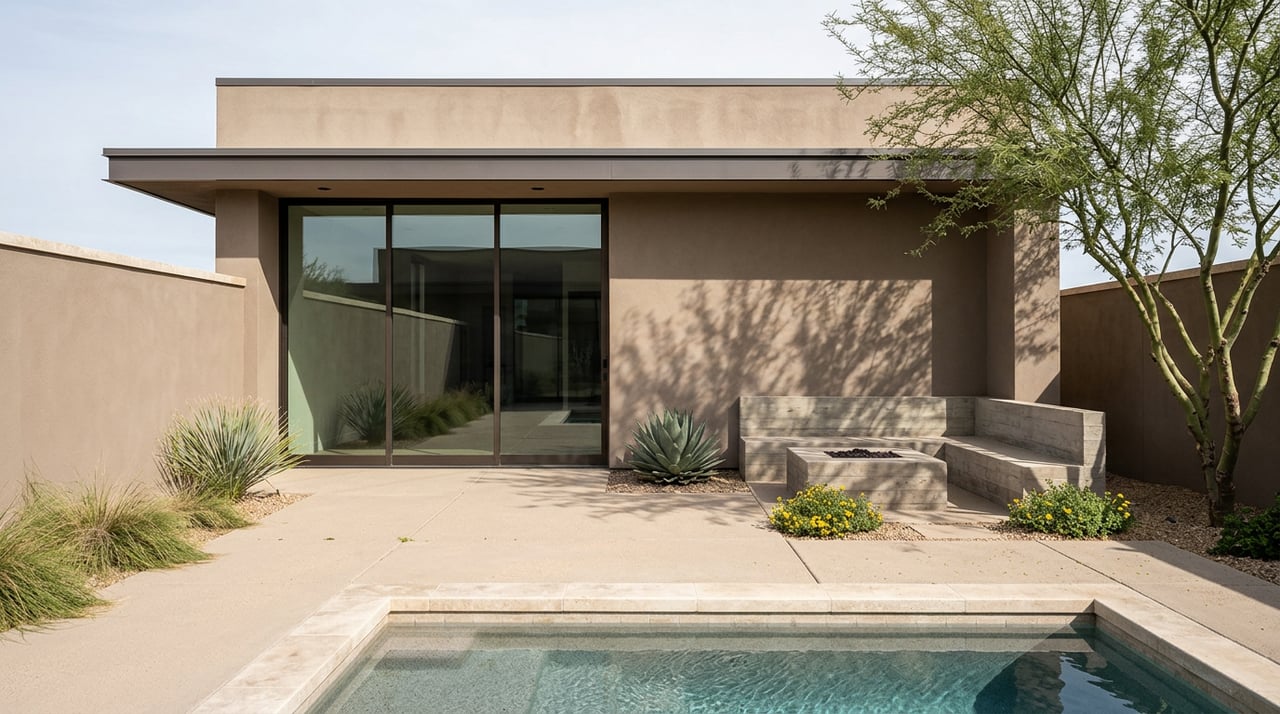
In many markets, a pool may read mainly as a luxury feature. In Scottsdale, it often functions more like warm-weather infrastructure. Given the local heat patterns, buyers often view pools, shaded outdoor seating, and cooling-oriented backyard design as practical lifestyle assets during the long hot season.
That does not mean every buyer wants the same setup. It does mean seasonal living shapes what people notice when they tour homes. A backyard that works in both summer and winter can add real day-to-day value.
What Seasonal Living Means for Buyers and Sellers
If you are buying in Scottsdale, it helps to think beyond finishes and floor plans. Ask yourself how the home will function in July, how the outdoor spaces feel in January, and whether landscaping, shade, and cooling features fit your lifestyle. In a desert market, usability across seasons can be just as important as style.
If you are selling, seasonal context can sharpen your marketing strategy. A home with strong shade, a comfortable patio, efficient landscaping, or easy access to parks and local amenities may resonate differently depending on the time of year. Positioning a property around how it lives in Scottsdale, not just how it looks, can help buyers connect the dots.
Scottsdale is not a one-season city. Its identity comes from adaptation, with summer focused on managing heat and the rest of the year opening the door to trails, events, dining, and outdoor living. If you want help understanding how seasonal lifestyle affects home values, buyer demand, or your next move in Scottsdale, connect with The Real Estate Experts of Phoenix.
FAQs
What is summer weather like in Scottsdale?
- Scottsdale Fire notes that temperatures can exceed 110°F from May through October, and July and August may bring brief thunderstorms and lightning.
What is winter weather like in Scottsdale?
- NOAA normals for Scottsdale Municipal Airport show an average high of 66.5°F in January, which helps explain why winter is such an active season for events and outdoor activity.
What major Scottsdale events happen in cooler months?
- Scottsdale’s cooler-season calendar includes the WM Phoenix Open, Barrett-Jackson Scottsdale Auction, Scottsdale Arabian Horse Show, Western Week, and Canal Convergence in fall.
What outdoor recreation options does Scottsdale offer?
- Scottsdale offers trails, parks, aquatics, pickleball, tennis, dog parks, skateparks, biking, fishing, boating, and access to the 11-mile Indian Bend Wash Greenbelt and the McDowell Sonoran Preserve.
What home features matter for Scottsdale living?
- Buyers often pay close attention to HVAC performance, shade, covered patios, mature trees, water-smart landscaping, and outdoor spaces that feel usable across both hot and mild seasons.
Why is desert landscaping common in Scottsdale?
- Scottsdale Water promotes low-water-use landscaping and notes that 1,000 square feet of winter grass can require about 8,000 gallons of water per season, which makes efficient yard design a practical choice.