Is your summer electric bill spiking before the monsoon clouds even roll in? In Mesa’s long, hot season, cooling and pool equipment work overtime, and you feel it in your budget. You want practical upgrades that actually cut costs and make your home more attractive when you sell. This guide shows you which Mesa‑ready improvements deliver meaningful savings, how incentives and permits fit in, and what today’s buyers value most. Let’s dive in.
Why Mesa’s climate changes the math
Mesa sits in an arid, sun‑soaked region where cooling, water heating, and pool systems dominate energy use. That means upgrades that reduce heat gain or offset daytime electricity use tend to pay off faster. Local utilities offer time‑of‑use and other rate designs, so when and how you use energy can matter as much as how much you use. In this market, features like modern HVAC, solar panels, efficient pool equipment, and visible shading often stand out to buyers and appraisers.
Top Mesa upgrades that pay off
High‑efficiency AC or ducted heat pump
If your system is aging or undersized, a modern high‑efficiency unit with variable speed can cut cooling use and improve comfort. You will likely notice quieter operation and better humidity control. For the best results, pair a new system with proper sizing, quality installation, and tuned airflow. Local utility rebates may be available for qualifying equipment, and warranties plus documentation support future resale.
Duct sealing and duct insulation
Leaky ducts in a hot attic can push cooled air where you do not want it. Sealing and insulating ducts is often a high‑value, low‑disruption project that boosts comfort and reduces waste. Ask contractors to test ducts before and after work and to document leakage reduction. Combine this with an HVAC tune‑up for a bigger win.
Attic insulation and radiant barriers
Attics can superheat under Mesa’s sun. Adding insulation to an appropriate R‑value and installing a correctly oriented radiant barrier help slow heat transfer into living spaces. This can reduce AC runtime and stabilize indoor temperatures. Check your current insulation level first so you add only what you need.
Cool roof choices
Reflective roofing materials and coatings lower roof surface temperatures and reduce heat gain. If you are already planning a roof project, choosing a reflective option can deliver long‑term savings. Coordinate roof color and finish with HOA guidelines and pair it with attic improvements for the best outcomes.
Solar PV, with optional battery
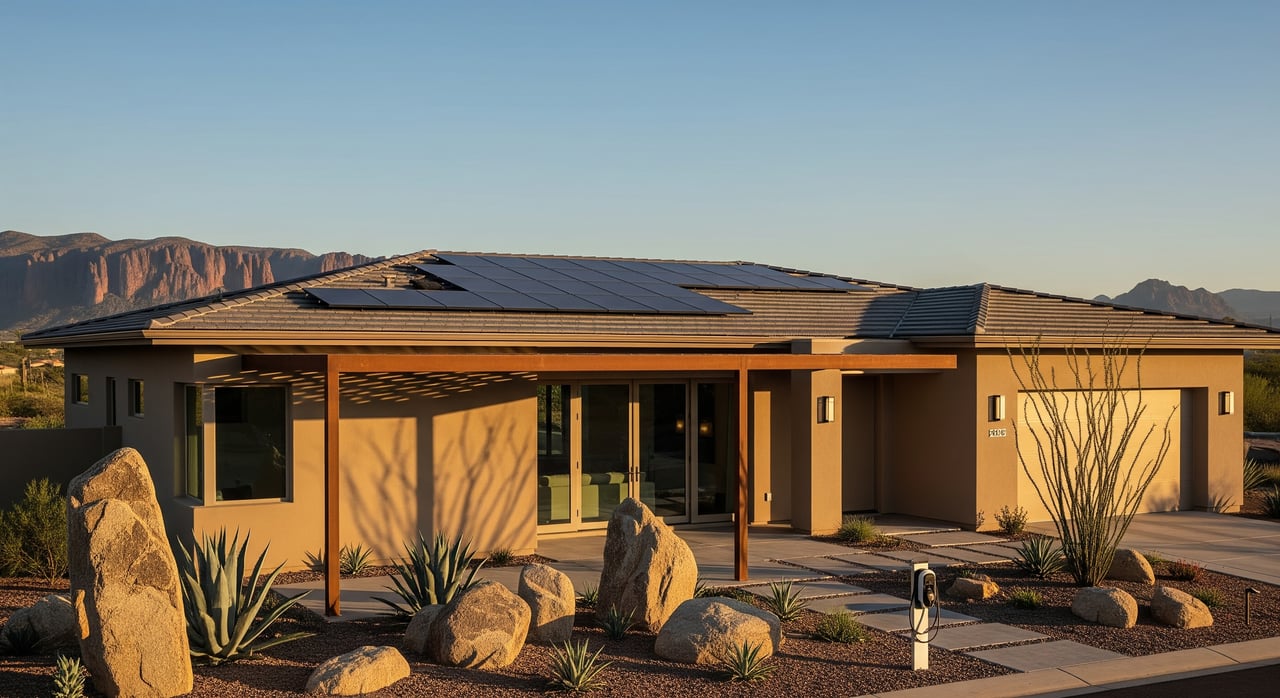
Mesa’s high solar potential makes photovoltaic systems a natural fit for offsetting daytime and early evening usage. Right‑sized systems, installed at competitive prices, can deliver strong lifetime savings. Battery storage adds resilience and can help you use more of your own solar production, though it often extends payback. Your exact economics depend on interconnection rules, export compensation, and your utility rate plan. Quality installation and transferable warranties matter to buyers.
Heat pump water heater
A heat pump water heater uses ambient heat to warm water, which is especially efficient in a warm garage or utility space. It typically uses less electricity than a standard electric tank. Many incentives target this upgrade. Make sure the installation location meets space and ventilation requirements.
Variable‑speed pool pump and controls
In many Mesa homes, the pool pump is a quiet energy hog. A variable‑speed pump can dramatically reduce electricity use compared with a single‑speed model. Utility rebates are often generous for these pumps, and automated controls help optimize run times for further savings.
Smart thermostats and zoning
Smart thermostats, scheduling, and zoned controls can better match cooling to your daily patterns. These features can be especially useful with time‑of‑use rate plans that reward shifting cooling to off‑peak periods. Confirm compatibility with your HVAC system and have your installer set schedules so you benefit right away.
Exterior shading, solar screens, and trees
Blocking sun before it hits the glass reduces heat gain more effectively than interior blinds. Solar screens, awnings, pergolas, and reflective films can all help. Shade trees offer lasting comfort and curb appeal, though they take time to mature. Visible shading and covered patios often catch a buyer’s eye.
LEDs and efficient appliances
LED lighting is a fast, low‑cost upgrade with immediate energy savings and a more modern feel. ENERGY STAR appliances also trim plug loads. These simple swaps are quick wins as you prepare a home for market.
Incentives, rebates, and permitting in Mesa
- Federal incentives: Current federal programs support residential solar, battery storage, and certain heat pump equipment. Eligibility and caps change, so confirm details with official federal resources and a tax professional.
- Utility rebates: Utilities serving the Phoenix region, including Salt River Project and Arizona Public Service, often provide rebates for high‑efficiency AC, heat pump water heaters, variable‑speed pool pumps, and more. Many programs require pre‑approval or specific product lists, so check before you buy.
- City of Mesa permitting: HVAC replacements, solar installations, and major electrical or roofing work typically require building permits. Most installers handle permitting, but it is smart to verify. If you live in an HOA community, review guidelines for roof color, solar visibility, and exterior shading. Arizona law offers some homeowner protections for solar, but approvals still take planning.
- Financing options: Home equity, personal loans, contractor financing, and specialized energy loans are common. Some mortgage programs may allow you to roll improvements into a purchase or refinance. Confirm current program rules and underwriting requirements.
What buyers value at resale
In sunbelt markets, buyers often prioritize features that control cooling costs and improve comfort. Newer HVAC, documented duct and attic improvements, efficient pool equipment, and owned solar with transferable warranties can all support a strong listing story. Buyers respond to clear documentation and visible benefits.
To make value obvious:
- Keep service records, spec sheets, permits, and warranty documents.
- Save 12 months of utility bills to show seasonal usage and savings.
- Provide a simple summary of upgrades, dates, and key performance details.
A simple roadmap to start
- Gather your last 12 months of utility bills. Note summer peaks and any time‑of‑use rates.
- Inspect the attic and ducts. Ask for testing if you suspect leaks or low insulation.
- Prioritize cooling first. Address AC condition, duct sealing, and attic improvements together for the largest impact.
- Price solar carefully. Get at least two proposals that include shading analysis, expected output, and interconnection steps.
- Check incentives before work. Confirm utility and federal requirements and whether pre‑approval is needed.
- Verify permits and HOA rules early. Avoid delays by knowing the process and timeline.
- Document everything. Keep invoices, model numbers, and warranty details for resale.
For sellers: smart pre‑listing upgrades
- Service or replace failing AC equipment. Buyers expect strong, reliable cooling.
- Seal ducts and top up attic insulation. These are often cost‑effective and improve comfort during showings.
- Install a variable‑speed pool pump. It lowers bills and reads well on a feature list.
- Add exterior shading where practical. Solar screens or a covered patio can elevate buyer perception.
- Swap in LEDs and tidy up controls. A smart thermostat and updated lighting feel modern and efficient.
For buyers: evaluating energy features
- Confirm HVAC age, capacity, and service records. Ask about duct sealing and attic improvements.
- Review solar ownership, warranties, and production estimates. Understand any financing or special agreements.
- Look at utility bills. Ask for 12 months of data to compare seasonal costs.
- Check equipment documentation and serial numbers. Transferable warranties add peace of mind.
- Consider your rate plan. Smart thermostats and pool pump schedules can optimize time‑of‑use savings.
The bottom line for Mesa homes
If you focus on cooling efficiency and solar potential, you align your budget with Mesa’s climate and what buyers value most. Start with high‑impact basics like HVAC performance, duct sealing, and attic improvements. Layer in pool pump upgrades, targeted shading, and LEDs. If solar fits your roof and budget, document it well and keep warranties easy to transfer. A thoughtful plan can lower bills today and support a stronger resale story tomorrow.
Ready to position your home’s efficiency story for buyers or to target the right upgrades before you list? Reach out to The Real Estate Experts of Phoenix for local pricing guidance, data‑driven strategy, and a seamless sale. Get started with an instant estimate at The Real Estate Experts of Phoenix.
FAQs
What Mesa home upgrades cut the biggest summer bills?
- Upgrading an inefficient AC and combining it with duct sealing and attic improvements typically delivers the largest immediate cooling reductions in Mesa’s climate.
Is residential solar a good fit for Mesa’s sun?
- Mesa has excellent solar potential, and solar often provides strong lifetime savings when system price, incentives, and local export rules align with your usage.
Do I need permits in Mesa for HVAC or solar work?
- Yes, HVAC replacements, solar installations, and major electrical or roofing work usually require City of Mesa permits; verify requirements before starting.
Will energy upgrades help my home sell faster or for more?
- Many energy improvements increase buyer interest and can support higher sale prices, especially newer HVAC and well‑documented solar with transferable warranties.
How can I estimate payback for upgrades in Mesa?
- Use your utility bills, local rates, and conservative performance estimates. Request multiple contractor proposals that include savings assumptions and incentives.
What should I ask before buying a home with solar?
- Confirm ownership versus lease, warranty transfer, expected production, interconnection terms, and any financing that might affect your mortgage or resale.