Thinking about trading Colorado snow for Arizona sunshine? You are not alone. Moving to Phoenix can be a smart lifestyle and financial move, but the desert has its own rules for housing, utilities, and daily life. This guide gives you a clear plan, local insights for Maricopa County, and the steps to align your Colorado sale with your Phoenix purchase. Let’s dive in.
Key differences to expect
Climate and weather
Phoenix has a hot desert climate with very hot summers, mild winters, and a mid-summer monsoon season that can bring sudden storms and dust events known as haboobs. You will rely on air conditioning far more than in Colorado, and dust can impact filters and exterior maintenance. To get familiar with seasonal patterns, explore the National Weather Service Phoenix office for local climate and monsoon guidance.
Cost of living and taxes
Arizona has a state income tax and local property assessments are handled by the county. Property valuations and exemptions can differ from Colorado, so review your options with the county. For high-level tax information, check the Arizona Department of Revenue, and for property details in Maricopa County, start with the Maricopa County Assessor.
Lifestyle and transportation
Phoenix is car-oriented and spread out compared with many Colorado cities. You will find year-round outdoor options like desert hiking, biking, and golf, with early mornings and evenings favored in summer. There is light rail service in central corridors, but most residents plan commute routes by freeway and surface streets.
Phoenix housing essentials
You will find a wide mix of neighborhoods across the Valley. Options range from central Phoenix condos and townhomes to single-family homes in Scottsdale, Tempe, Chandler, Mesa, Gilbert, Peoria, and master-planned communities throughout the East and West Valley. Many subdivisions have homeowners associations. Review fees, rules, and reserve studies carefully. Arizona law governing planned communities and condos lives in Arizona Revised Statutes, Title 33.
What to inspect in the desert
A standard home inspection is a good start, but desert homes have a few special considerations. Ask your inspector and lender about the items below and budget for improvements if needed.
- HVAC capacity, age, and service history. Cooling demand is high in summer.
- Roof and exterior. Stucco cracks, flashing, and skylights deserve a close look, especially after monsoon rains.
- Duct sealing and attic insulation to reduce cooling load.
- Pool equipment and safety features if the property has a pool.
- Pest and termite inspections that reflect local species and treatments.
- Slab-on-grade foundations and flooring for movement or cracking.
- Lot grading and drainage to handle sudden downpours. Confirm whether the home lies in a mapped flood zone using the FEMA Flood Map Service Center. Standard homeowners insurance usually does not cover flood.
Utilities and services setup
Electricity and natural gas
Electric service in Greater Phoenix is primarily provided by two utilities, depending on your address. Check coverage and start service with Arizona Public Service (APS) or Salt River Project (SRP). If the home uses natural gas, contact Southwest Gas to transfer or start service.
Water, trash, and city services
Many addresses in the City of Phoenix receive municipal water and related services. Set up service and explore conservation programs with City of Phoenix Water Services. If the property lies in a neighboring city, contact that city’s water department for rates and start dates.
Energy use and rebates
Expect higher summer energy use. Ask about HVAC SEER ratings, plan filter changes, and consider duct sealing and added insulation. Phoenix is a strong market for solar PV, but utility programs, interconnection, and net metering rules can vary by provider. Review efficiency and solar program details directly with APS or SRP. Many cities and utilities offer rebates for high-efficiency equipment and weatherization.
Landscaping and water conservation
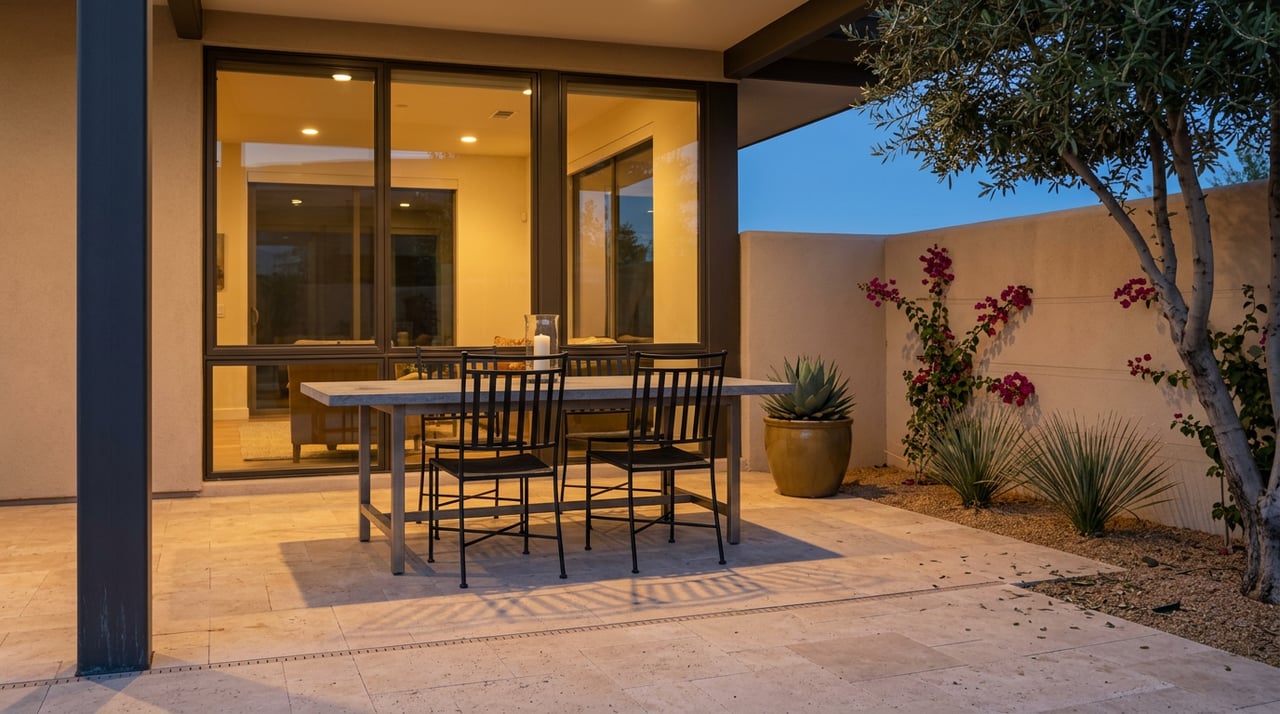
Xeriscaping and drip irrigation are common. If the home has turf, it may qualify for incentives to reduce water use. Inspect irrigation controllers and lines for leaks and consider a seasonal tune-up. The City of Phoenix and many neighboring municipalities share tips and programs to help you conserve water.
Step-by-step relocation timeline
Use this simple timeline to coordinate your Colorado sale with your Phoenix purchase and move.
3–6 months out
- Research Phoenix neighborhoods, commute patterns, and HOA rules.
- Connect with a local lender for pre-approval and talk strategy with your Colorado agent.
- Decide whether to sell first, buy first, or use a bridge or contingency.
2–3 months out
- Get written estimates from licensed interstate movers and compare binding options.
- Request school and medical records.
- List your Colorado home if selling and plan showings and staging.
1 month out
- Schedule movers and confirm building or HOA move rules at both ends.
- Start Phoenix utility accounts with APS or SRP and Southwest Gas if applicable.
- Request full HOA documents for the Phoenix home and order pest or termite inspections.
2 weeks out
- Finalize move-day logistics and parking.
- Confirm AC service date for your new home and plan a filter change.
- Arrange pet transport and check Arizona rules on plants or agricultural items if you are bringing any.
Move day
- Test AC performance, water, and power right away.
- Walk the roofline and attic if safely accessible and look for leaks or pests.
- Check pool equipment, gates, and alarms if the home has a pool.
First 1–2 weeks
- Register your vehicle and update your driver’s license through the Arizona Motor Vehicle Division. Some areas require emissions testing.
- Enroll kids in school, set trash schedules, and confirm HOA contacts.
- Review mail forwarding and voter registration.
Buying in Phoenix while selling in Colorado
Coordinating two transactions can be smooth when you plan early. Talk with your lender and both agents about the pros and cons of selling first versus buying first. Consider contingency terms, a rent-back, or short-term housing if timing is tight. Keep a buffer for carrying costs and travel between states so you can move with less stress.
Neighborhoods, schools, and commute planning
Phoenix offers diverse neighborhoods at many price points. Central Phoenix provides urban conveniences and some light rail access. Scottsdale and Paradise Valley offer a range of higher-end options and golf communities. Cities like Tempe, Chandler, Mesa, Gilbert, and Peoria feature many suburban neighborhoods near employment centers.
Public and charter school options vary by district and by campus. Review academic performance, programs, and enrollment steps with the Arizona Department of Education and each district’s website. For commute planning, map your route at peak hours to test real drive times before you commit.
Move-day and first-week checks
A few quick checks can save you money and headaches in the desert climate.
- Set thermostats and confirm each room is cooling well.
- Replace HVAC filters and note the filter size for future changes.
- Inspect exterior stucco, roof penetrations, and yard grading for drainage paths.
- Verify irrigation timer settings and drip emitters.
- If the home is near a wash or low-lying area, review flood mapping at the FEMA Flood Map Service Center and talk to your insurer about coverage.
Taxes, titles, and records to update
When you purchase in Maricopa County, verify the legal description and keep your closing packet for vehicle and residency changes. Update your address for insurance, bank accounts, and subscriptions. Review property valuation and any applicable exemptions with the Maricopa County Assessor, and consult state tax resources at the Arizona Department of Revenue.
Your next steps
If you are moving from Colorado to Phoenix, a clear plan and local guidance make all the difference. Our dual-state team can coordinate your Colorado sale and Arizona purchase, align timelines, and handle the details so you can focus on the move. Ready to start with neighborhood options, financing steps, and a pricing strategy for your current home? Connect with The Real Estate Experts of Phoenix for a personalized plan.
FAQs
How is Phoenix weather different from Colorado?
- Phoenix has very hot summers, mild winters, and a monsoon season with sudden storms and dust events. Review seasonal patterns through the National Weather Service Phoenix office.
What utilities should I set up before arriving in Phoenix?
- Set up electric with APS or SRP based on your address, natural gas with Southwest Gas if applicable, and water and trash through the City of Phoenix Water Services or your local city.
Do I need flood insurance in the Phoenix area?
- It depends on location. Some homes near washes or low spots face flood risk. Check your address at the FEMA Flood Map Service Center and discuss coverage with your insurer.
What inspections are most important for Phoenix homes?
- In addition to a general home inspection, prioritize HVAC performance, roof and stucco, pest and termite checks, pool equipment if present, and drainage or foundation review.
How do I register my car and update my license in Arizona?
- After you move, update your title and registration, and your driver’s license through the Arizona Motor Vehicle Division. Some areas in the Valley require emissions testing.
Should I sell my Colorado home before buying in Phoenix?
- There is no single right answer. It depends on your financing, local market conditions, and comfort with carrying two homes. Discuss contingencies, bridge options, or short-term rentals with your lender and both agents.