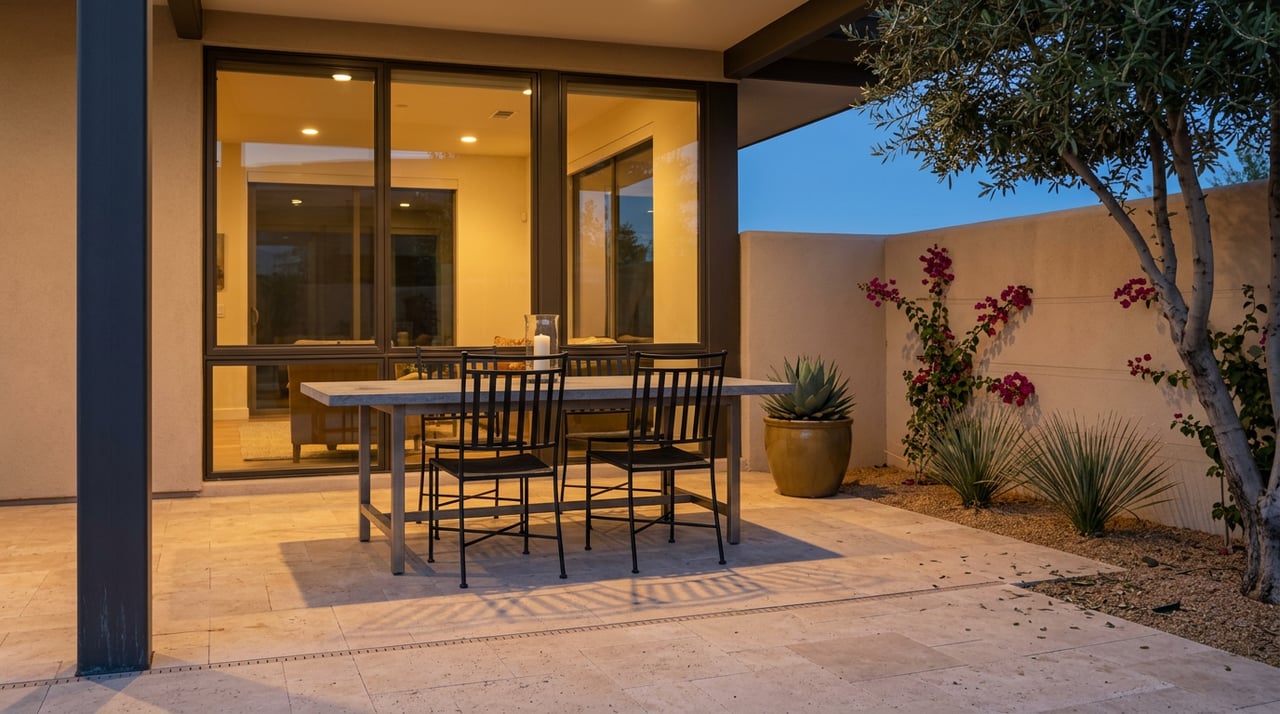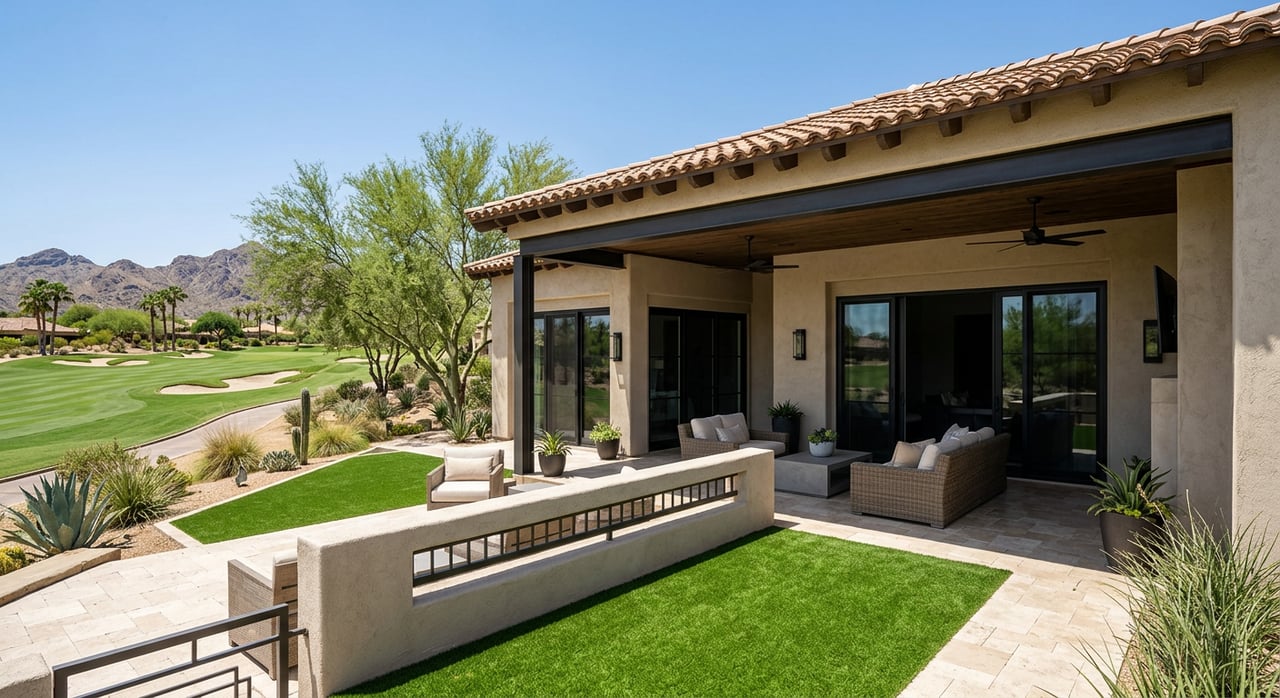
You picture mornings on the patio as golfers roll by and sunsets over green fairways. Buying on the course in Gainey Ranch can deliver that lifestyle, but it also comes with rules, fees, and a few tradeoffs you should understand. In this guide, you’ll learn how the HOA structure works, what golf‑adjacent lots are really like, which approvals you need, and how course proximity can affect value and resale. Let’s dive in.
Gainey Ranch at a glance
Gainey Ranch is a gated, master‑planned community of about 560 acres centered around a private 27‑hole golf club and a resort setting in Scottsdale. Every owner belongs to the Gainey Ranch Community Association, or GRCA, and to a neighborhood‑level sub‑association. The GRCA site explains this master plus satellite model and lists the community’s neighborhoods and resident amenities. You can review the overview on the GRCA’s Who We Are page for context and governance details.
The golf heartbeat here is the Gainey Ranch Golf Club, a private, member‑only club with three 9‑hole loops. The club publishes membership categories like Full Golf, Limited Golf, and Social. Guest access and tee‑time policies can change, so if golf is central to your decision, contact the club’s membership team for the latest details.
Explore GRCA community structure
See membership categories at the club
Home types and views
Gainey Ranch includes a mix of condos, townhomes, patio homes, and single‑family estates across roughly 18 to 19 gated neighborhoods, such as The Estates, Golf Villas, The Greens, North Meadow, The Enclave, The Courts, The Pavilions, and Sunset Cove. Sizes range from about 900 to 1,200 square feet in some condo buildings to multi‑thousand‑square‑foot custom homes. Architecture leans Southwestern and Spanish influenced, with unified colors and materials to keep a consistent look.
Golf‑course lot positions
- Fairway or green frontage offers sweeping views and that on‑course feel, with less backyard privacy than interior lots.
- Tee boxes and common miss zones can see more errant shots and a bit more activity and sound. Many buyers prefer lots aligned along longer fairways rather than directly behind tees or greens.
- Lake or water‑feature views can be a premium, especially when paired with long greenbelt sightlines.
- Some back‑of‑course parcels border maintained landscaping rather than open fairway, which can feel quieter and more private while still reading as “on course.”
Design standards and scale
Community architectural standards keep exterior changes consistent. You will find view fencing and lower rear walls in several golf‑facing neighborhoods to preserve the resort aesthetic, which can reduce privacy compared with taller walls. If you value outdoor living, factor in the rules for additions like pools, shade, and hardscape before you buy.
HOA structure and monthly costs
Gainey Ranch uses a master plus satellite association model. You pay GRCA dues, then a second assessment to your neighborhood association. The GRCA’s audited financial statements for the year ended Dec 31, 2024 show a combined annual master assessment of $3,924 for residential memberships, which equals $327 per month. A 2026 schedule for The Estates neighborhood shows a total monthly assessment of $661, made up of $361 for the GRCA master fee and $300 for The Estates satellite. Fees are set annually and change over time, so always verify the current rates for the home you are considering.
Review the GRCA 2024 audited financials
See an example of master plus satellite dues
What dues generally cover: GRCA funds items like community security and gates, master landscaping, the Estate Club, common‑area maintenance, reserves, and administration. Satellite dues typically fund neighborhood‑level maintenance, building painting and repairs where applicable, and reserves.
Rules and approvals for outdoor living
Exterior changes require approval. You will usually apply to your satellite association first, then the GRCA’s Master Architectural Committee, often called the MAC. GRCA documentation references defined review windows, including a 15 business day period in certain procedures. Plan ahead for items like paint, landscaping, doors and windows, sun control devices, pools, and shade structures.
Key highlights for golf lots, based on published standards:
- Pools are allowed in many neighborhoods but must be in‑ground and meet City of Scottsdale permitting and drainage codes.
- Shade structures may be restricted in placement or type. Unattached ramadas are limited or not permitted in some areas.
- Mechanical equipment must be screened, and view fencing styles must be preserved along golf edges.
Read the GRCA MAC rules and process
See a neighborhood example: Golf Villas III rules
Privacy, views, and day‑to‑day living
Golf‑view homes are designed to showcase the fairways, which is part of the appeal. Expect more open rear yards, lower walls, and view fencing in many on‑course areas. That creates a great backdrop, but it does reduce seclusion compared with homes that have taller privacy walls.
Lot orientation matters. Long fairway views usually feel calmer than direct tee or green views, which may see more traffic and conversation. If possible, tour the property at different times of day and on a weekend to get a realistic sense of pace and sound.
Golf‑ball risk and insurance basics
Living on a course carries a non‑zero chance of ball strikes that can chip stucco, dent grills, or break a window. Many homeowner policies cover sudden accidental damage, subject to your terms and deductible. Before you buy, talk to your insurance agent about coverage, out‑of‑pocket costs, and how frequent small claims might affect premiums.
Community documents sometimes include language about course adjacency and liability limits. Laws vary, and some courts view errant shots as a foreseeable part of golf. A smart approach is to review the CC&Rs for any waiver language, ask the seller about past incidents or claims at the property, and get written confirmation of coverage from your carrier.
Discuss coverage details with your insurer
Read a plain‑English legal overview of golf‑ball liability
Amenities, security, and the Estate Club
The GRCA operates the Estate Club, a hub for resident fitness, pools, tennis and pickleball, and social events. Access and certain services can involve local activation or nominal fees, which the GRCA manages. Community security and staffed gates contribute to the resort feel, and master landscaping keeps common areas consistent.
Learn more about GRCA services and amenities
Value, resale, and golf influence
Proximity to the course often boosts perceived value thanks to open space, green views, and the social draw of the club. Lots with long fairway or water‑feature views can command premiums, especially when paired with mountain backdrops or quiet settings. Market snapshots in early 2026 placed many Gainey Ranch homes from the mid six figures into the low seven figures, with price points varying by product type and view.
Balance the benefits with practical costs. Combined master and satellite dues raise the monthly carry, and club initiation or dues are separate from HOA fees. On the risk side, a location that sees frequent errant shots or a high‑activity tee box could reduce buyer demand if not priced accordingly. If golf access is important to you, ask the club about membership categories, initiation, dues, and any transfer details before you write an offer.
Check the club for current membership details
Buyer checklist for Gainey Ranch golf homes
Use this quick checklist to move forward with clarity:
- Request the GRCA and your satellite association CC&Rs, bylaws, and recent minutes to understand use rules and any upcoming projects. Start here: GRCA Who We Are
- Verify current master and satellite assessments. Review the GRCA 2024 audited financials and a sample satellite schedule like The Estates 2026 assessments.
- Confirm what exterior features are permitted on golf lots, including pools, shade structures, turf, and fences. See the GRCA MAC rules and Golf Villas III Standards for examples.
- If golf access matters, speak with the club’s membership director about categories, initiation, monthly dues, and any transfer details. Start with the club membership page.
- Talk to an insurance agent about coverage for accidental damage like broken windows and whether small, frequent claims could affect premiums. Use this insurance overview as a general reference.
Ready to compare specific lots, fees, and rules before you make a move in Scottsdale’s Gainey Ranch? Our team pairs neighborhood‑level knowledge with clear, data‑forward guidance so you can buy with confidence. Connect with The Real Estate Experts of Phoenix to start your on‑course home search today.
FAQs
What makes Gainey Ranch unique for golf‑course living in Scottsdale?
- It blends a gated, master‑planned setting with a private 27‑hole club and resort‑style amenities run by the GRCA, creating a cohesive, greenbelt‑rich neighborhood.
How do Gainey Ranch HOA fees work for golf‑adjacent homes?
- You pay two assessments, one to the GRCA and one to your neighborhood; verify current amounts, since the master plus satellite model means totals vary by address and year.
What approvals do I need to add a pool or shade structure on a golf lot?
- Expect to apply through your satellite association, then the GRCA MAC, with rules that require in‑ground pools and may restrict shade structure types and placement.
How risky are errant golf balls for homes on the course?
- Risk varies by lot location; talk with your insurer about coverage and deductibles, and review CC&Rs for any liability language before you commit.
Do I have to join the Gainey Ranch Golf Club to live in the community?
- No, homeownership and club membership are separate; if you want golf or social privileges, contact the club for current categories, initiation, and dues.
How do golf views affect resale value in Gainey Ranch?
- Long fairway or water‑feature views can command premiums, while high activity near tees or greens, frequent ball strikes, or higher combined dues can temper demand.