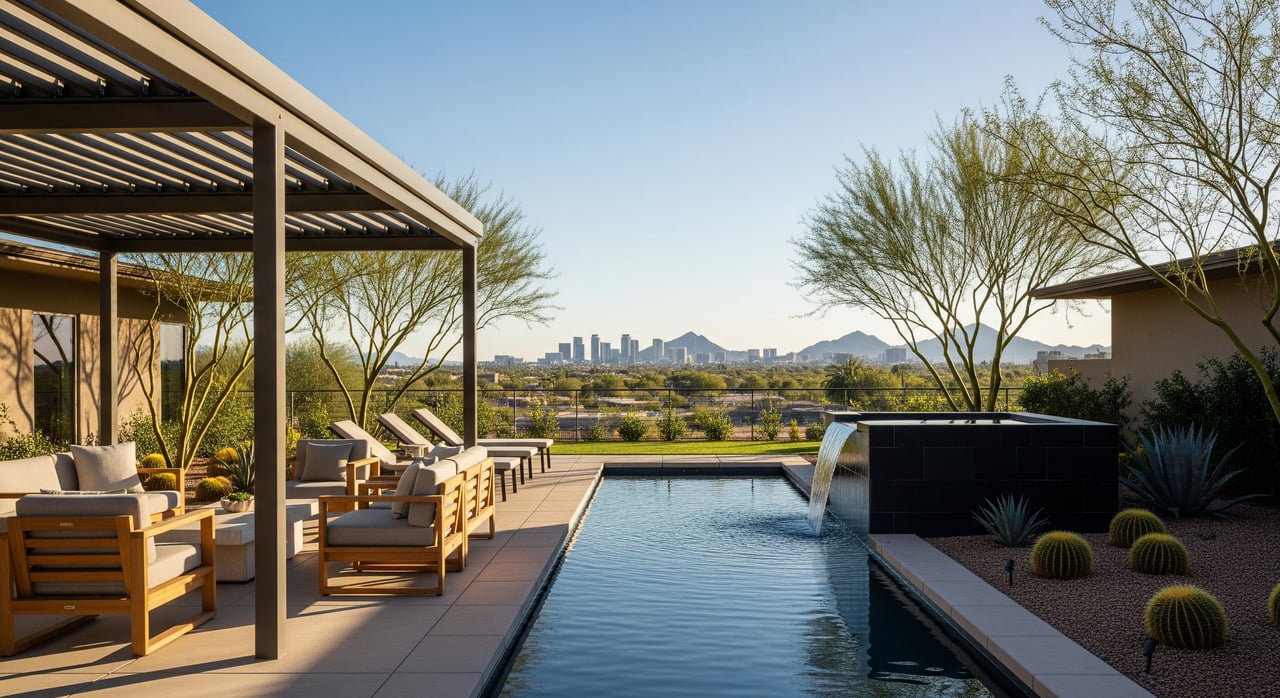
Just moved to Phoenix and wondering how to beat the heat, save water, and make smart, desert‑ready updates to your home? You are not alone. Your first year here sets the tone for comfort, safety, and long‑term savings. This guide gives you a practical checklist for shade, cooling resources, and water‑saving incentives so you can feel confident heading into your first summer. Let’s dive in.
Stay cool: local resources that help
Cooling centers and relief sites
During extreme heat, you can use city and county cooling locations at no cost. The seasonal Heat Relief Network lists libraries, community centers, and shelters with air conditioning and water. Check the City of Phoenix’s current updates and locations on the Heat Relief and heat response page before you go.
Alerts and notifications
Sign up for local city and county emergency alerts so you get heat advisories and service updates on your phone. Alerts help you plan errands and outdoor work around the hottest hours and know when facilities extend hours.
Health guidance
Know the signs of heat illness and how to respond. The CDC’s extreme heat guidance explains symptoms, prevention, and first aid. If you have seniors, infants, or anyone with chronic conditions in your home, review local advisories during heat waves and build a plan for the hottest days.
Shade that works in Phoenix
Why shade matters
Shade cools surfaces, protects your home, and eases the load on your AC. Well‑placed trees and shade structures can make patios and play areas usable for more months of the year. Shade also supports neighborhood comfort and reduces heat stress.
Where to start
- Target west and southwest exposures that take afternoon sun.
- Add exterior shade first when possible, such as trees or pergolas. Interior shades and solar screens help too.
- Shade the AC condenser without blocking airflow. A nearby tree or trellis can reduce radiant heat around the unit.
Trees for desert yards
Choose drought‑adapted, desert‑friendly trees. Common options include palo verde species, mesquite species, desert willow, and ironwood. Confirm mature size and placement to keep clear of structures, overhead lines, and utility easements.
Best planting window
Plant in fall through early spring, typically October through March. Cooler months help roots establish before summer, which improves survival and reduces early watering demands.
Planting tips that save water
- Use drip or soaker lines for deep, infrequent watering.
- Mulch the root zone to reduce evaporation.
- Plan for extra irrigation during the first 1 to 3 years while trees establish.
- Check City of Phoenix guidance for recommended species and parkway rules before planting near sidewalks or streets.
Shade and neighborhood programs
Look for seasonal tree distributions, community planting days, and neighborhood mini‑grants that support shade projects. Many programs run through City of Phoenix departments or local nonprofit partners. Availability changes year to year, so verify current offerings with the Office of Heat Response and Mitigation or Parks and Recreation. Some neighborhood grants require a registered neighborhood association or nonprofit sponsor.
Water‑saving incentives and where to find them
Common rebates and programs
- Turf removal or landscape conversion rebates that replace grass with low‑water plants.
- Smart irrigation controller rebates and weather‑based irrigation upgrades.
- High‑efficiency fixtures, such as toilets or clothes washers.
- Rainwater harvesting classes or incentives, where available.
- Free classes and audits for desert‑appropriate landscape care.
Start with City of Phoenix Water Services for conservation programs, rebates, and classes. Review current offerings on the Water Services conservation page.
Utility partners to check
Regional utilities often support efficiency because it lowers peak demand and keeps bills manageable. Review rebate pages for your provider if you receive service from APS or other local utilities. Programs and eligibility can change, so confirm details before you purchase or begin work.
How rebates usually work
- Get pre‑approval if required, especially for turf removal or large landscape changes.
- Take clear before photos of existing grass and irrigation equipment.
- Keep receipts and model numbers for controllers and fixtures.
- Submit after photos and paperwork by the deadline.
- Plan for new maintenance routines. Xeriscapes use less water once established, but watering schedules vary by season.
Energy, water, and comfort
Reducing cooling load saves electricity and helps your home feel better day to day. Shade, air sealing, insulation, and smart thermostats work together to reduce energy use. Utilities and federal programs may offer incentives for certain equipment. Because eligibility rules change, verify current offers with your utility and tax professional before you buy.
Your first‑year Phoenix checklist
Immediate: first 1 to 2 months
- Set up utility accounts with the city and your electric provider.
- Register for city and county emergency and heat alerts.
- Schedule an HVAC inspection, change filters, and verify your thermostat settings.
- Find your irrigation controller, note the make and model, and learn the seasonal settings.
- Review HOA and city rules for tree placement, shade structures, and parkway planting.
Short term: before the first major heat
- Map afternoon sun and heat on west and southwest sides of your home.
- Research rebates that require pre‑approval, such as turf removal or smart controllers.
- Plan landscape changes for the fall planting season if possible.
Seasonal care and planting
- Plant trees in fall through early spring for better establishment.
- Choose drought‑tolerant species from city‑recommended lists.
- Use mulch and drip irrigation for all new plants.
Ongoing maintenance and monitoring
- Adjust irrigation monthly as temperatures change rather than using one fixed schedule.
- Watch for updated rebate cycles. Many programs refresh each year.
- Join neighborhood or HOA updates to hear about local shade projects and mini‑grant opportunities.
Who to contact and what to ask
- City of Phoenix Heat Relief and cooling centers: Find seasonal locations, hours, and updates on the city’s heat page.
- City of Phoenix Water Services: Explore current conservation programs, rebates, and free classes on the conservation page.
- Health and safety: Review CDC extreme heat guidance and follow local advisories during heat waves.
Before you plant in the parkway or alter irrigation in the right‑of‑way, confirm current city rules and any permit needs. For neighborhood shade grants or tree events, contact City Parks and Recreation or the Office of Heat Response and Mitigation to confirm dates and eligibility.
Ready to make smart moves your first year?
If you want neighborhood‑level guidance on homes with great shade potential, HOA rules, or smart landscape upgrades that matter for resale, our team is here to help. Get local insight on the areas you are considering, from Arcadia to North Scottsdale, and make choices that boost comfort and long‑term value. Get Your Instant Home Valuation with The Real Estate Experts of Phoenix and let us know how we can support your next step.
FAQs
Where to find cooling centers in Phoenix
- Use the City of Phoenix Heat Relief listings on the heat response page for seasonal cooling sites and hours.
Best time to plant shade trees in Phoenix
- Plant in fall through early spring, typically October to March, to help roots establish before summer heat.
Water‑saving rebates for Phoenix homeowners
- Common incentives include turf removal, smart irrigation controllers, and high‑efficiency fixtures. Check City of Phoenix Water Services for current programs and requirements.
Do I need a permit to plant in the parkway
- Cities often regulate parkway planting. Verify City of Phoenix rules and permitted species before planting between the curb and sidewalk.
How to get heat safety guidance for your household
- Review the CDC’s heat safety guidance and follow local advisories, especially for seniors, infants, and anyone with chronic conditions.