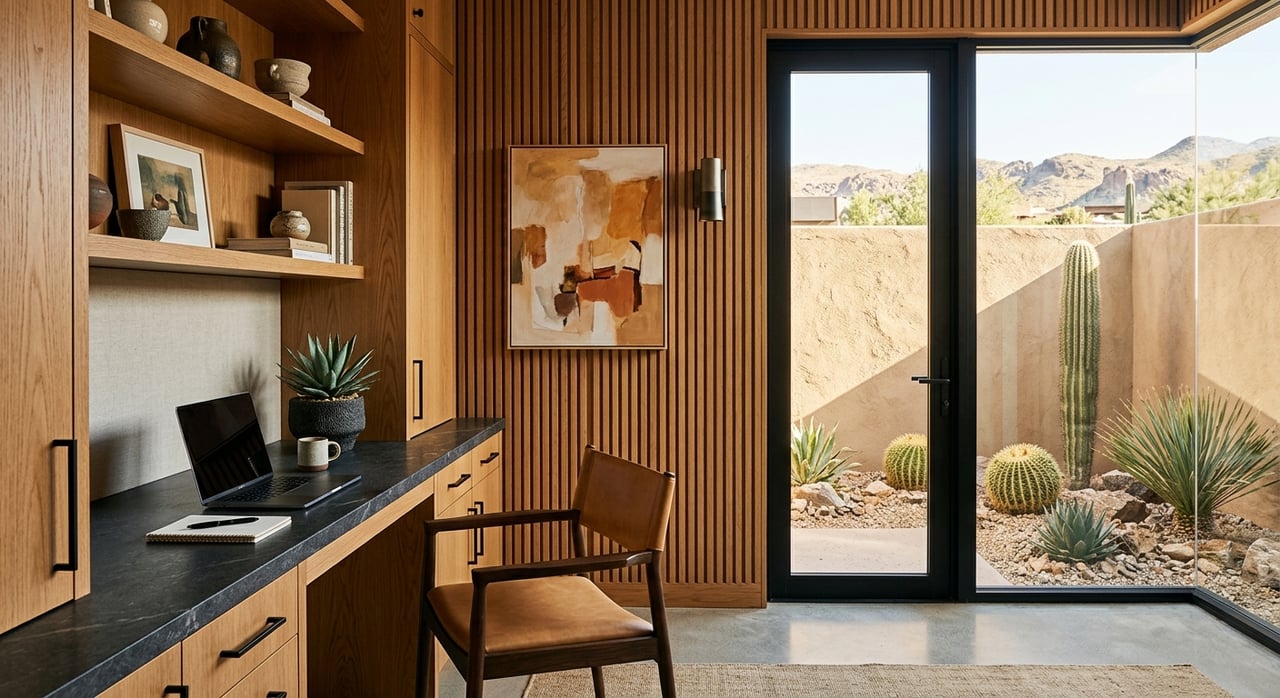
Trying to choose between Phoenix and Scottsdale can feel simple at first, until you start looking at prices, commute patterns, and the kind of home you actually want. If you are starting your home search in the Valley, the better question is not which city is “best,” but which city fits your budget, daily routine, and housing goals. This guide will help you compare Phoenix and Scottsdale with a practical, data-based lens so you can start your search in the right place. Let’s dive in.
Start With Budget First
The biggest difference between Phoenix and Scottsdale is price. According to Zillow data updated March 31, 2026, Phoenix’s average home value is $410,169 and its median sale price is $414,333, while Scottsdale’s average home value is $858,022 and its median sale price is $905,417. In simple terms, Scottsdale’s typical home value is about 2.1 times Phoenix’s, and its median sale price is about 2.2 times higher.
That gap matters because it changes your search strategy right away. If your comfort zone is closer to Phoenix’s median sale price, Phoenix will usually give you more realistic options from the start. If your budget is closer to Scottsdale’s median sale price, Scottsdale may be the better place to focus first.
Compare Inventory And Pace
Inventory can also shape your experience as a buyer. Zillow reports that Phoenix had 5,370 homes for sale, while Scottsdale had 3,101. Homes were going pending in about 26 days in Phoenix and about 33 days in Scottsdale.
That means Phoenix offers a larger pool of choices overall, while Scottsdale gives you a smaller but still active market. Neither number tells the whole story for a specific neighborhood, but citywide data can help you set expectations before you start touring homes.
Phoenix Offers More Variety
If you want flexibility in home type, Phoenix has the broader housing mix. The City of Phoenix 2025-2029 Consolidated Plan says 59.9% of housing units are 1-unit detached homes, 4.7% are 1-unit attached homes, 26.2% are multifamily units of 3 or more, and 3.0% are mobile homes or other types.
For you as a buyer, that often means more ways to shop within the same budget. You may be able to compare a detached home, a townhome, and a condo without leaving your target price range. That can be especially helpful if you care more about monthly payment, commute, or maintenance level than about a specific city name.
Scottsdale Skews Higher, But Not Only Luxury
Scottsdale is often associated with luxury housing, and citywide pricing supports that reputation. At the same time, Scottsdale is not limited to large single-family homes. The city’s 2025 housing annual report shows a strong single-family base along with a meaningful multifamily pipeline, including 3,070 multifamily units under construction and 4,035 multifamily units entitled.
That matters if you want a condo, townhome, or lower-maintenance property in Scottsdale. While the city still starts at a higher overall price point, there are product types and submarkets that may open more options than buyers expect.
Neighborhood Ranges Matter More Than City Names
One of the most common mistakes buyers make is treating Phoenix and Scottsdale like two single-price markets. In reality, both cities have wide internal ranges. Recent neighborhood snapshots show that in Phoenix, Central City was around $429,000, Ahwatukee was around $431,000, and Arcadia was around $1.5 million, according to Redfin neighborhood market data.
Scottsdale also has meaningful variation. Redfin snapshots show South Scottsdale around $878,000, Central Scottsdale around $1.1 million, and Desert Foothills around $2.1 million. So yes, Scottsdale is more expensive overall, but your actual options depend on the exact area and home type you choose.
Commute Should Shape Your Search
Your home search should be anchored to where you need to go most often. Phoenix has a major employment and transportation footprint. The Central City Village Plan describes downtown Phoenix as a major employment center and transportation hub connected to Sky Harbor International Airport, freeway access, transit, and rail. Phoenix also includes employment centers such as Downtown Phoenix, Sky Harbor Airport, Camelback Corridor, and Desert Ridge and Kierland.
Scottsdale has its own strong job hub in the Greater Airpark, which the city identifies as the largest industrial-zoned area in Scottsdale and a designated growth area. If you work in or near the Airpark, Scottsdale may be a natural place to begin your search.
Citywide commute data supports the idea that location should come before city preference. The U.S. Census QuickFacts reports a mean one-way commute of 25.6 minutes in Phoenix and 21.6 minutes in Scottsdale. That difference does not predict your personal drive time, but it does reinforce one important point: your exact worksite matters more than the label on the map.
When Phoenix Makes More Sense
Phoenix is often the better starting point if you want more house for the money. With lower citywide prices and a broader mix of detached homes, attached homes, and multifamily options, Phoenix can give you more room to compare tradeoffs.
Phoenix may also be the better fit if you want easier access to downtown, Sky Harbor, or multiple employment centers across the metro. If your priorities include flexibility, price range, and variety, starting in Phoenix can help you cast a wider net.
When Scottsdale Makes More Sense
Scottsdale is often the stronger first filter if you already know you want a higher-end price point or a lock-and-leave lifestyle. Its pricing profile, established lifestyle areas, and access to the Airpark can make it a good match for buyers who want a more focused search.
It can also feel like a more natural first stop for some Colorado relocators who want a premium suburban setting and an upper-end buying experience. Still, the smart move is to test that preference against your actual budget and commute before narrowing too quickly.
A Practical Way To Decide
If you are torn between the two, use a simple first-pass filter:
- Set your comfortable budget range.
- Identify your most common commute destination.
- Decide which home types you are open to.
- Compare neighborhoods inside each city, not just the citywide average.
- Tour a few options in both markets if your budget overlaps.
This approach keeps you focused on what affects daily life the most. It also helps you avoid falling in love with a city label before you know whether the homes, locations, and price points truly fit.
The Bottom Line
Phoenix and Scottsdale both offer strong options, but they serve different starting points for many buyers. Phoenix usually makes more sense if you want broader inventory, more price flexibility, and a wider range of home types. Scottsdale usually makes more sense if your budget supports a higher entry point and you want to focus on areas tied to its established lifestyle and employment patterns.
The best place to begin is where your numbers and routine line up, not where the name sounds most appealing. If you want help comparing neighborhoods, price points, and commute patterns across the Valley, connect with The Real Estate Experts of Phoenix for data-driven guidance tailored to your search.
FAQs
Is Scottsdale more expensive than Phoenix for homebuyers?
- Yes. Based on Zillow data in the research report, Scottsdale’s average home value and median sale price are both more than double Phoenix’s citywide figures.
Is Phoenix only for entry-level homebuyers?
- No. Phoenix has more lower-to-mid price entry points overall, but it also includes higher-priced neighborhoods such as Arcadia.
Is Scottsdale only a luxury housing market?
- No. Scottsdale skews higher overall, but it also includes areas like South Scottsdale and a meaningful multifamily pipeline that can offer different price points and home types.
Should I start my home search in Phoenix or Scottsdale if commute matters most?
- Start by mapping your workplace or most frequent destination first. The research report shows that commute patterns and employment hubs can make either city the better fit depending on where you need to go.
What is the best first step when comparing Phoenix and Scottsdale homes?
- Set your budget ceiling and commute filter first, then compare neighborhoods and home types within each city rather than choosing by city name alone.