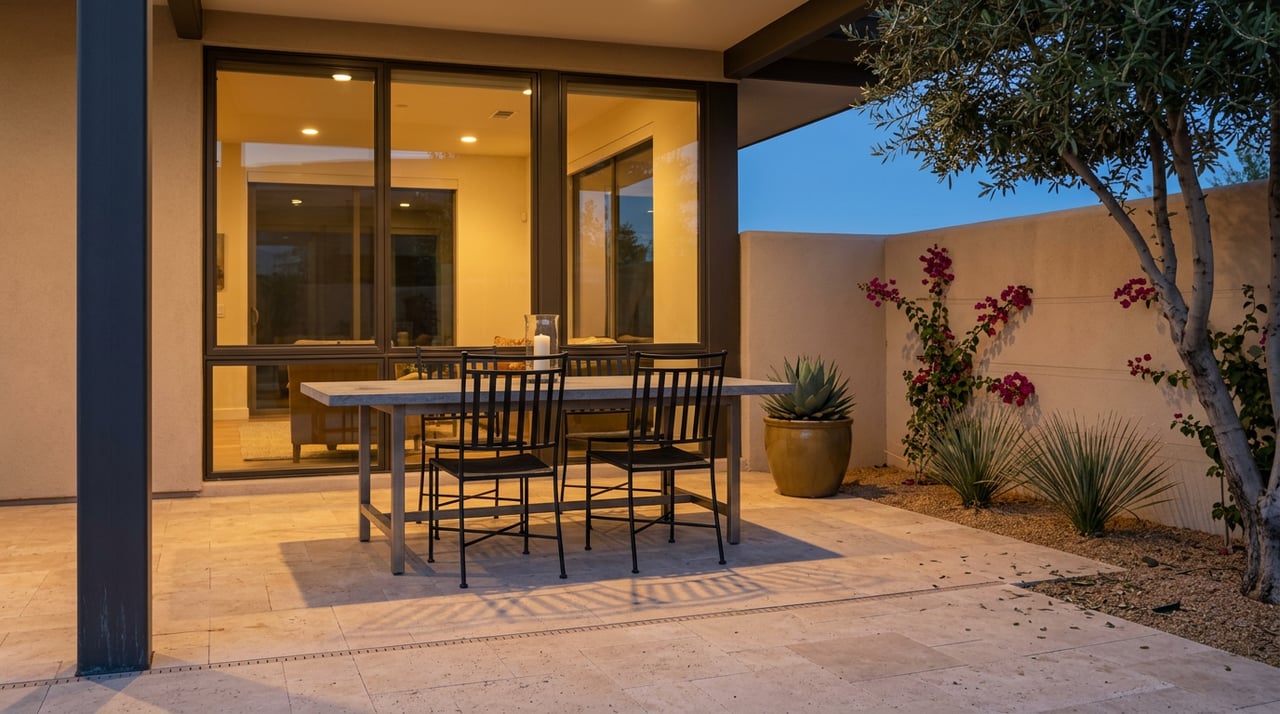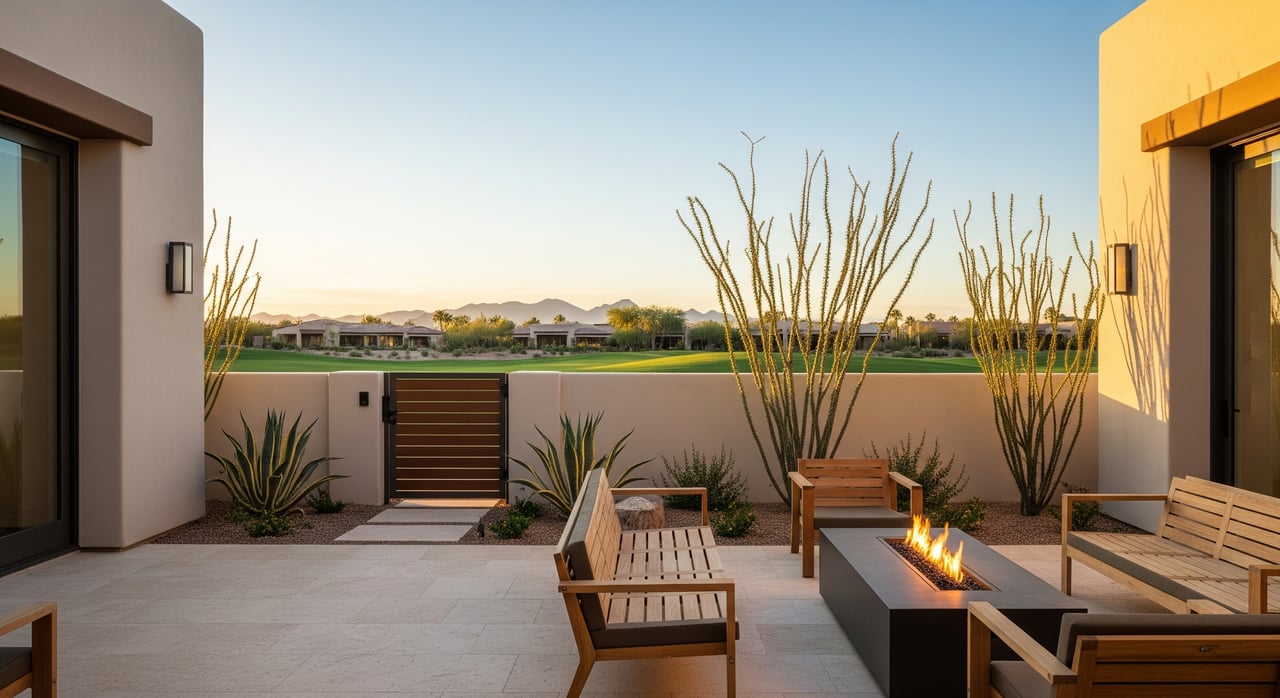
Wish you could lock your Scottsdale home and hop on a plane without worrying about the yard, security, or surprise maintenance? If you are eyeing a second home, downsizing, or splitting time between states, that peace of mind matters. In Gainey Ranch, many buyers look for homes that make seasonal living simple and predictable. This guide breaks down what “lock-and-leave” truly means in Gainey Ranch and how to evaluate homes, HOAs, and services so you can travel with confidence. Let’s dive in.
Lock-and-leave, defined
“Lock-and-leave” means you can secure your home, be away for weeks or months, and rely on community services or trusted vendors to keep things running. The goal is lower day-to-day maintenance, consistent security, and predictable costs. You set a plan, automate what you can, and have backup if something goes wrong.
Buyers who tend to prioritize this lifestyle include second-home owners, seasonal residents, busy professionals who travel, downsizers, and some investors. If you want convenience without constant oversight, lock-and-leave can be a smart fit.
Why Gainey Ranch appeals
Gainey Ranch is a well-known Scottsdale neighborhood with a mix of attached and detached housing. Many sub-communities emphasize convenience and access to on-site amenities associated with the Gainey Ranch name. Exact amenities, access, and security policies vary by sub-association. You should verify current details with the Gainey Ranch Community Association or your listing agent before relying on them for your purchase decision.
For lock-and-leave, the key is how much exterior maintenance and security are managed by the association versus by you. Communities that include exterior building care or landscaping tend to make seasonal living simpler. Your experience will depend on the specific sub-community and its governing documents.
Property types to compare
Condos and townhomes
These often include exterior building maintenance, roof, and common-area landscaping through the HOA. Community pools and shared amenities can be serviced by the association. This structure can reduce your personal to-do list when you travel. Always verify exactly what the HOA covers and what remains your responsibility.
Patio homes and villas
Some attached or patio-style homes come with landscaping and exterior upkeep included. These can be lock-and-leave friendly if the sub-association handles irrigation, plant care, and exterior painting. Ask for the current rules, coverage, and reserve plans to confirm the services are stable.
Single-family homes
Detached homes offer privacy and space, though you may need your own landscaper, pool service, and exterior vendors. You can still build a lock-and-leave plan with smart technology and recurring contracts. Expect a bit more vendor coordination if the HOA does not cover exterior tasks.
Know the HOA and CC&Rs
What to read first
The CC&Rs, bylaws, and rules outline what the HOA covers and what you must handle. They also govern parking, guests, architectural changes, and common-area use. These documents directly impact how easy it will be to leave your home for extended periods.
Rental rules matter
If you hope to rent the property, especially short term, confirm the HOA’s stance. Many associations restrict or regulate short-term rentals. Ask whether registrations, caps, or prohibitions apply in your sub-community before you plan on rental income.
Financial health and fees
Review current HOA budgets, reserves, audited financials, and recent meeting minutes. Look for planned capital projects or any history of special assessments. Predictable costs are central to lock-and-leave living, so transparency here is key.
Security and monitoring
Community access
Sub-communities may use gated or controlled access and have specific guest registration procedures. Security staffing, gate hours, and camera coverage can vary. Confirm current practices with the community association so you know exactly what to expect.
Smart-home and alarms
Modern systems let you monitor doors, windows, water leaks, and temperature from your phone. Smart locks, cameras, and lighting schedules increase peace of mind. Many insurers prefer or require monitored systems if a home is vacant for long periods, so ask your agent.
Municipal vacation watch
Scottsdale Police offer vacation and property watch programs. Check the current enrollment process and guidelines before you travel. Even with a watch program, appoint a local contact who can respond quickly if needed.
Scottsdale climate maintenance
HVAC and heat
High temperatures and sun exposure are part of desert living. Schedule routine HVAC inspections and set programmable thermostats to protect systems and control energy use while you are away. Proper settings can help prevent condensation or stress on equipment.
Landscaping and irrigation
Automated irrigation is essential. Seasonal watering adjustments and drought-adaptive plantings reduce hands-on care. If the HOA does not handle landscaping, hire a reliable vendor and document instructions in case of water line or timer issues.
Pest control
Plan regular pest service for scorpions, ants, and rodents. Contracted visits keep treatments consistent during your absence. Store food and clutter carefully to reduce attractants before you leave.
Pools and water features
Private pools need routine chemical balancing and equipment checks. Most seasonal owners hire weekly pool service to maintain water quality and pump health. If you prefer to avoid pool oversight, consider a property without a private pool or rely on a community pool where available.
Insurance and budgeting
Vacancy rules
Many homeowner policies have different requirements when a property is unoccupied for extended periods. Ask your insurer about vacancy endorsements, monitored alarms, and inspection frequency. Confirm those details before you leave for the season.
Budget lines to plan
Account for HOA dues, landscaping, pool service, pest control, alarm monitoring, and periodic inspections. Add a buffer for small repairs and filter changes. Predictable monthly costs are the backbone of a low-stress lock-and-leave setup.
Property management
Some owners prefer full-service property management. Others assemble a vendor team for landscaping, pool care, pest control, and on-call maintenance. Choose the model that matches your travel schedule and tolerance for coordination.
Steps to buy a lock-and-leave in Gainey Ranch
- Define your maintenance threshold. Decide whether you want HOA-included exterior care or are comfortable managing vendors.
- Compare property types. Weigh condos, townhomes, patio homes, and detached homes based on coverage and privacy.
- Read the documents. Review CC&Rs, rules, budget, and reserve study for your target sub-association.
- Verify security practices. Confirm gate policies, guest registration, and any on-site staffing.
- Check rental rules early. If renting is part of your plan, confirm what is allowed and any registration steps.
- Price the plan. Add HOA dues and vendor contracts to your monthly budget and confirm with recent invoices.
- Set up technology. Make sure your home supports smart locks, cameras, leak sensors, and thermostat control.
- Line up a local contact. Select a property manager, neighbor, or vendor who can respond to emergencies.
Prep to sell as lock-and-leave
Positioning and documentation
Buyers want clarity. Highlight which services the HOA covers, recent maintenance, and any smart-home or monitoring systems you will convey. Provide HOA financials, meeting minutes, and proof of service contracts to build confidence.
Showing logistics
If you occupy part-time, coordinate secure access with your agent. Use smart locks and time-bound codes for vendors and showings. Document instructions for irrigation and HVAC so the home shows well during hot months.
Pricing expectations
Homes with strong lock-and-leave features can attract seasonal buyers and investors. Buyers may accept higher dues if services are robust and transparent. Clear disclosure helps prevent surprises and supports stronger offers.
What to verify before you commit
- Current CC&Rs, bylaws, rules, and architectural guidelines for the specific sub-association.
- Latest HOA budget, reserve study, audited financials, and meeting minutes from the last 12 to 24 months.
- Security details: gate policies, guest registration, and any staffing schedules.
- Rental policies: short-term and long-term rules, registrations, or caps.
- Coverage list: exterior maintenance, roof, paint, landscaping, irrigation, and community pool care.
- Utilities and irrigation setup: metering, remote access, and seasonal schedules.
- Insurance requirements for vacancy and monitored systems.
- A written vendor plan: property manager or local contact plus landscape, pool, pest, and maintenance contracts.
Ready for expert guidance?
If you want a home in Gainey Ranch that truly fits a lock-and-leave lifestyle, you deserve clear answers and a proven plan. Our team pairs neighborhood-level insight with modern tools like instant home valuations, targeted search alerts, and full-service transaction management. Let’s align the right property type, HOA coverage, and vendor setup so you can travel with confidence. Start the conversation with The Real Estate Experts of Phoenix.
FAQs
What does “lock-and-leave” mean in Gainey Ranch?
- It is a low-maintenance setup where HOA services and trusted vendors handle exterior care, security coordination, and routine checks so you can be away for weeks or months.
Are short-term rentals allowed in Gainey Ranch?
- Rules vary by sub-association, so review the CC&Rs and current HOA policies before planning any short-term or long-term rental activity.
How much are HOA dues in Gainey Ranch?
- Dues and assessments differ by sub-community and change over time; verify current amounts, coverage, and reserve health with the HOA before you buy.
Is a condo better than a single-family home for lock-and-leave?
- Condos and townhomes often include more exterior services, while single-family homes may require private vendors; choose based on how much you want the HOA to manage.
What security steps should I take when I travel?
- Confirm community access policies, use monitored alarms and smart locks, set lighting schedules, and appoint a local contact for emergencies.
Do I need special insurance if I am away for months?
- Many insurers require vacancy endorsements or monitored systems for extended absences; check your policy and set up any required inspections or monitoring.