If you want a shorter commute, easier access to major employers, and a home that fits your budget and lifestyle, Chandler’s tech corridor deserves a close look. Buying here can feel exciting and a little overwhelming because prices, housing types, and competition can vary a lot from one area to the next. The good news is that with the right local data, you can narrow your search faster and make a more confident move. Let’s dive in.
Why Chandler’s tech corridor stands out
Chandler is one of the Valley’s strongest employment hubs, and that matters when you are buying a home. The city identifies five major employment and business districts: Airpark Area, Downtown Chandler, Price Corridor, Uptown Chandler, and West Chandler. Together, these districts account for 102,140 jobs and 76% of all jobs in Chandler, according to the City of Chandler’s employment and business districts overview.
Among them, Price Corridor is the largest job center with 42,060 jobs and 749 businesses. Major employers named by the city include Intel, Wells Fargo, Bank of America, Northrop Grumman, and Microchip Technology. If your goal is to live near major offices and reduce drive time, this concentration of jobs is a key reason buyers focus on Chandler.
The city also notes that the Airpark Area is the fastest-growing corridor, supported by Chandler Municipal Airport and direct Loop 202 access. West Chandler remains another major employment zone with 29,900 jobs along I-10 and Loop 202. For buyers, that means you are not looking at a one-node job market. You have several employment clusters to consider when choosing where to live.
What commute access looks like
For many buyers, location is really a commute decision first. Chandler’s transportation network is built around I-10, Loop 101, and Loop 202, giving you strong regional access across the Southeast Valley and beyond. According to the city’s Existing Conditions Report, those freeway connections are a major advantage, even though some arterial roads are at or above capacity and congestion shows up in certain areas.
The U.S. Census Bureau places Chandler’s mean travel time to work at 23.9 minutes, which helps set a realistic baseline. If you are comparing homes, even a small difference in distance to Loop 202, Loop 101, or I-10 can shape your daily routine. That is especially true if you expect to commute across multiple parts of the Valley.
Chandler is still largely car-oriented, but transit options do exist. The city offers 11 bus routes, connections to Mesa, Tempe, and Valley Metro light rail, an express route from the Chandler Park and Ride to Downtown Phoenix, Chandler Flex on-demand service, and Lyft first-mile/last-mile support south of Pecos Road. If you want flexibility beyond driving, those options can add value depending on where you buy.
Housing choices across Chandler
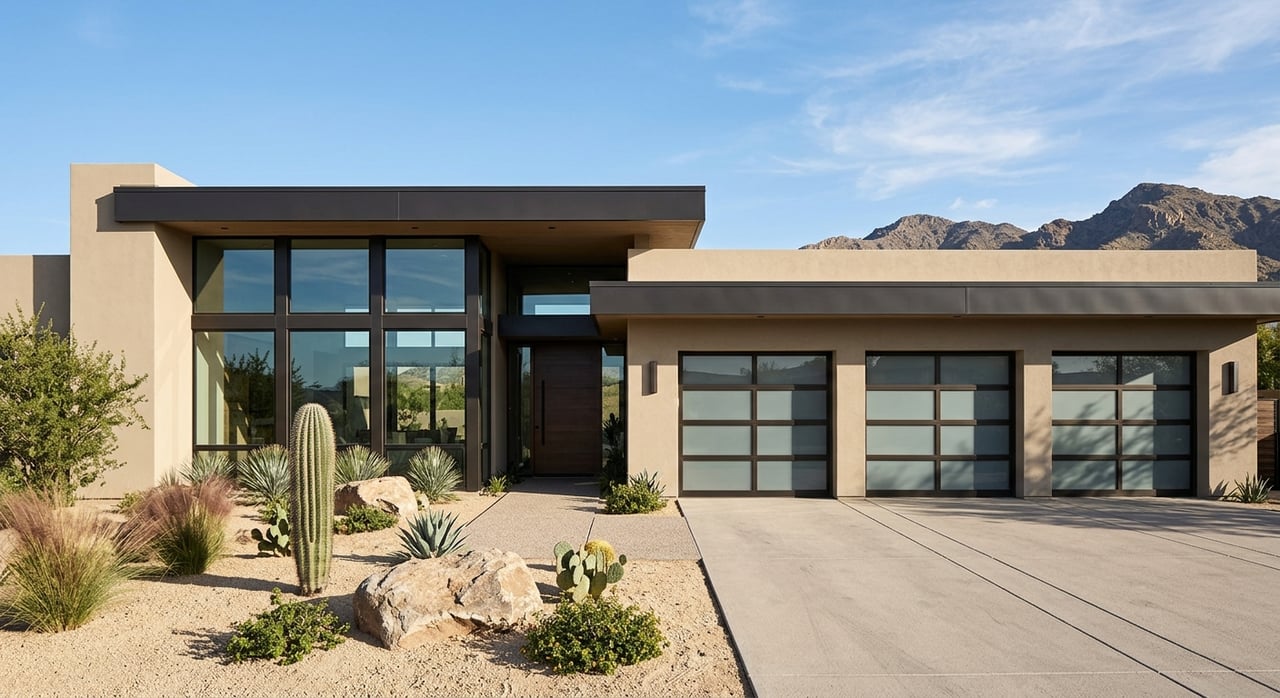
One reason Chandler attracts such a wide range of buyers is the variety of housing stock. The city’s community profile describes options that range from condos and apartments to detached homes, luxury properties, and semi-rural acreage homes. That gives you more ways to match your budget and preferred lifestyle to a specific part of the market.
At a citywide level, current pricing depends on which data source you review. Redfin shows a median sale price of $557,500 with homes spending about 51 to 53 days on market, while Zillow’s home value index is $524,156 with homes going pending in about 23 days. As noted in the City of Chandler community profile, these are different measures, so it is better to use them as broad reference points rather than exact equivalents.
Entry-level attached options
If you are starting with a lower budget or want less exterior maintenance, attached housing may open up more possibilities. Current Chandler condo listings show entry points around $190,000 to $230,000, with many options in the $300,000 to $375,000 range and premium units reaching $445,000 to $635,000, according to current Chandler condo market data.
Townhomes also cover a wide range. Current examples run from about $279,000 to $639,900, with many listings clustered in the low-to-mid $300,000s and $400,000s. If your priority is staying close to jobs while keeping your purchase price below the detached-home market, attached homes may be worth a serious look.
Detached homes and move-up buying
Detached homes in Chandler typically start higher. Current listings include examples around $465,000 for a three-bedroom, many homes in the $550,000 to $750,000 range, and larger or newer homes at $935,000 and up. If you want more square footage, a larger lot, or a newer floor plan, your search will likely center in those bands.
This is where neighborhood-level pricing matters. Recent and current figures in the research show Downtown Chandler around $392,000 to $415,000, Warner Ranch around $542,450, The Ocotillo around $627,475, Fulton Ranch around $648,000, and Sunbird Golf Resort around $330,000. Those differences show why buyers should compare more than just citywide averages.
Lifestyle perks near the corridor
Buying near work is only part of the equation. You also want everyday convenience, places to go on weekends, and amenities that support your routine over time. Chandler offers a strong mix of urban activity, recreation, and regional shopping.
Downtown Chandler is one of the city’s most distinct lifestyle anchors. The city describes it as a compact, walkable district of about half a square mile with 432,000 square feet of retail, more than 45 bars and restaurants, 12 live-music venues and stages, five arts venues, and more than 20 events each year. If you want a more urban feel with easy access to dining and entertainment, this area may be especially appealing.
Beyond downtown, Chandler’s broader amenity base can support long-term value and day-to-day enjoyment. The community profile highlights 69 parks, 63 miles of walking and biking trails, 10 pickleball courts, four dog parks, and two urban fishing lakes. Chandler Fashion Center adds another major convenience point with more than 180 retailers and a large restaurant mix.
How competition can change by area
A common mistake buyers make is assuming the entire city moves at the same pace. In Chandler, that is not the case. Your experience can look very different depending on how close you are to jobs, amenities, and move-in-ready inventory.
According to Redfin’s Chandler market data, Chandler overall is somewhat competitive, with homes selling at about 98.1% of list price on average, 12.4% closing above list, and 30.4% seeing price drops. That mix tells you there are both competitive situations and negotiation opportunities in the market.
Downtown Chandler moves faster. Research shows homes there average about 35 days on market and sell for about 2% above list, with hot homes reaching roughly 8% above list. By comparison, the citywide average is closer to 51 days and homes sell about 2% below list on average.
Smart buying strategies for Chandler’s tech corridor
If you are shopping in and around Chandler’s tech corridor, a clear plan can help you move faster without feeling rushed. The best strategy often depends on whether your top priority is commute convenience, housing type, or price flexibility.
Here are a few practical ways to approach your search:
- Map your job access first. Start with the corridor or freeway access point that matters most for your routine.
- Set a true monthly budget. Include payment, taxes, insurance, HOA costs, and commuting expenses.
- Compare attached and detached homes. In some price bands, a condo or townhome may get you closer to major employment centers.
- Watch days on market carefully. Faster-moving areas may require quicker decisions, while longer-market listings can offer room to negotiate.
- Separate cosmetic issues from location value. Older or less turnkey homes may create an opening in a stronger location.
- Look at neighborhood-level pricing. City averages are helpful, but your real options depend on the specific area you want.
Who this area may fit best
Chandler’s tech corridor can work well for several types of buyers because it offers a mix of job access, housing variety, and amenities. If you are relocating for work, you may appreciate the ability to choose from several employment nodes rather than one centralized office district. If you are a first-time or value-focused buyer, attached housing may create a more affordable entry point near major job centers.
For move-up buyers, Chandler offers a broad range of detached homes and neighborhood price points. And if you want a balance between convenience and lifestyle, areas near Downtown Chandler or major retail and freeway connections can offer strong day-to-day functionality. The key is aligning your purchase with how you actually live and commute.
How to narrow your search with confidence
The fastest way to reduce overwhelm is to focus on three things: commute pattern, budget range, and preferred home type. Once those are clear, you can compare parts of Chandler more efficiently and avoid chasing listings that do not really fit your goals. That kind of local, data-driven approach can save you time and help you make a stronger offer when the right home appears.
If you are planning a move in Chandler, working with a team that understands neighborhood-level pricing, commute tradeoffs, and how to position offers in different parts of the market can make the process a lot smoother. The Real Estate Experts of Phoenix can help you evaluate your options, track the right listings, and move forward with a strategy built around your goals.
FAQs
What is Chandler’s tech corridor for homebuyers?
- Chandler’s tech corridor generally refers to the city’s major employment and business districts, especially areas tied to Price Corridor, Airpark Area, West Chandler, Downtown Chandler, and Uptown Chandler, where a large share of local jobs are concentrated.
What is the average commute time in Chandler, Arizona?
- Chandler’s mean travel time to work is 23.9 minutes, according to the Census data cited in the city’s existing conditions report.
What home prices should you expect in Chandler’s tech corridor?
- Citywide reference points show a median sale price around $557,500 on Redfin and a home value index of $524,156 on Zillow, while actual pricing varies by home type and neighborhood.
Are condos and townhomes available in Chandler for lower budgets?
- Yes. Current condo listings show entry points around $190,000 to $230,000, and townhomes start around $279,000, with many options in the low-to-mid $300,000s.
Is Downtown Chandler more competitive for buyers?
- Yes. Research shows Downtown Chandler is moving faster than the city overall, with homes averaging about 35 days on market and often selling above list price.
What amenities make Chandler appealing to buyers?
- Chandler offers a walkable downtown, major shopping at Chandler Fashion Center, 69 parks, 63 miles of walking and biking trails, dog parks, pickleball courts, and other everyday lifestyle amenities.