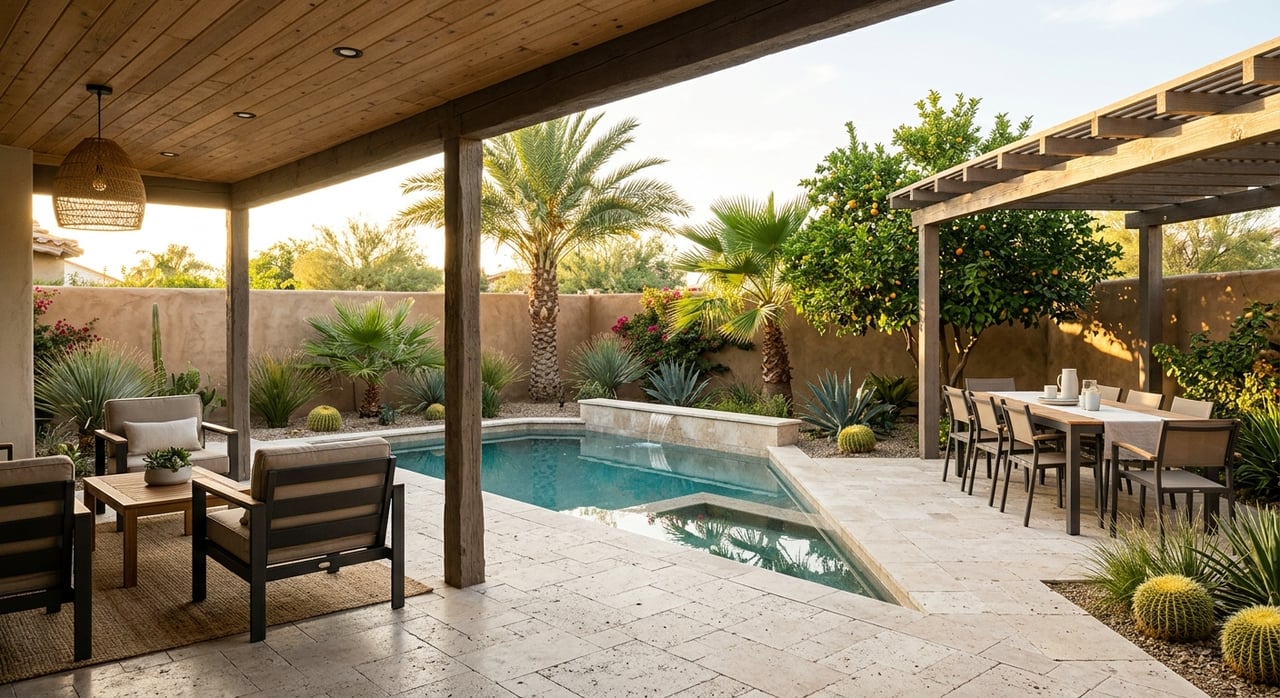
Looking for a home where outdoor living feels built into daily life, not squeezed in as an afterthought? In Mesa, that often comes down to neighborhood design. From shade-focused streets and community trails to parks, pools, and larger yard layouts in some established areas, the way a neighborhood is planned can shape how often you actually use the outdoors. If you are buying or selling in Mesa, understanding those patterns can help you make a smarter move. Let’s dive in.
Why outdoor living matters in Mesa
In Mesa, outdoor living is closely tied to comfort, convenience, and access. The city manages more than 2,060 acres of parkland, 209 parks, 9 aquatic centers, trails, and 5 recreation centers, according to Mesa Parks, Recreation and Community Facilities. That scale matters because it turns outdoor recreation into part of everyday neighborhood life.
Mesa also treats shade as infrastructure, not just landscaping. The city’s climate efforts include urban forest expansion and shade-tree programs, and the Mesa Climate Action Plan supports long-term canopy growth to help reduce heat. For you as a buyer or homeowner, that means neighborhood design features like trees, shade structures, and park access can have a real impact on livability.
How neighborhood design supports outdoor living
Not every outdoor-oriented neighborhood looks the same. In Mesa, some communities lean on planned amenities like parks, pools, and trails, while others offer larger lots, side yards, or flexible backyard space that supports a different kind of outdoor use.
The key is to look at how the neighborhood works day to day. Features like shaded walking paths, nearby splash pads, community pools, and connected trail systems can make it easier to spend time outside more often, especially during much of the year.
Shade and tree-lined streets
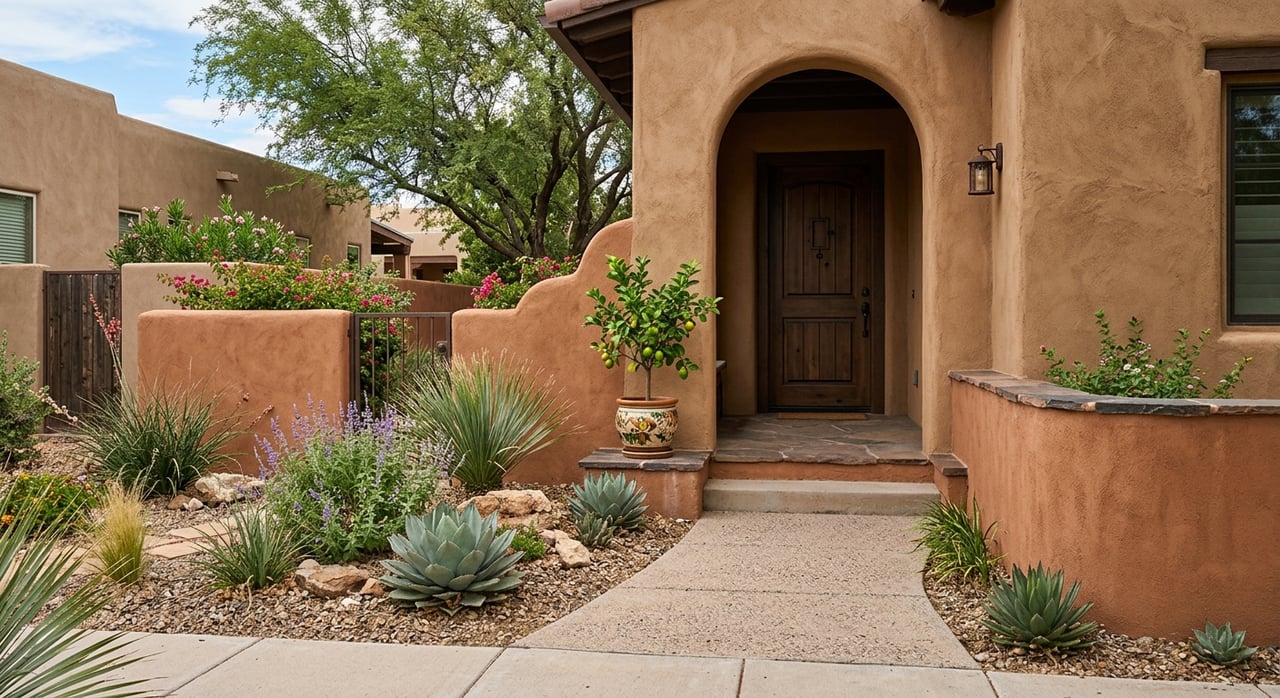
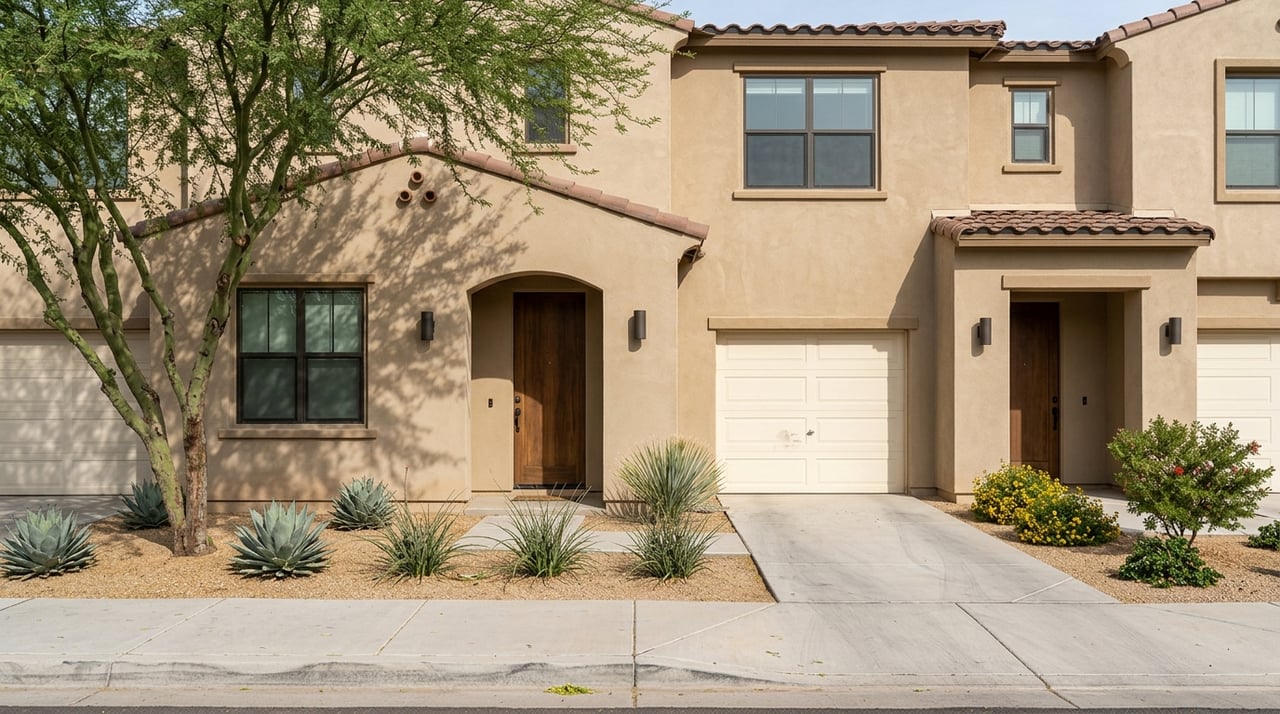
In Mesa, shade is one of the most practical design features a neighborhood can offer. Planning documents for some newer developments call for desert-appropriate planting, large shade trees at entries, neighborhood parks, and trail systems. These choices help reduce heat and make walking, biking, and park use feel more comfortable.
For example, city planning materials tied to newer East Mesa development note a landscape vision that includes tree-lined streets and shaded parks to help reduce heat island effects. You can see that focus reflected in Mesa planning documents. For buyers comparing neighborhoods, this is a reminder to look beyond the house and pay attention to the block, streetscape, and common areas.
Parks and trails near home
Outdoor living is easier when you do not have to drive far to enjoy it. Neighborhoods with integrated parks, walking paths, and trail links often create more everyday opportunities for activity, downtime, and gathering with friends or family.
Mesa’s public trail network adds another layer of value. The city’s trails page highlights trail access at places like Desert Arroyo Park, Riverview Park, Red Mountain Park, and Skyline Park, along with a section of the Hawes Loop Trail passing through Las Sendas. When homes connect to these amenities, outdoor living feels more natural and less like a planned event.
Pools and water features
In a warm-weather market like Mesa, water access is a major part of the outdoor lifestyle. Community pools, splash pads, aquatic centers, and lakefront pathways all support a more usable summer routine.
Mesa notes that its aquatic facilities offer water fun, lessons, swim teams, and events, which helps explain why pool access is such a visible feature of local living. Facilities like Shepherd Aquatic Complex and Skyline Aquatic Center include shade structures and family-friendly features. For many buyers, that kind of nearby amenity can matter just as much as what is in the backyard.
Mesa neighborhoods with strong outdoor appeal
Several Mesa neighborhoods stand out because outdoor amenities are clearly part of their identity. If your goal is to prioritize recreation, trails, or community gathering spaces, these are some of the most obvious places to start.
Eastmark
Eastmark is one of Mesa’s clearest examples of a neighborhood designed around outdoor use. The Great Park is a public park owned and operated by the City of Mesa and includes a splash pad, play structure, lake with riparian stream, event pavilion, open fields, paths, and trails.
Eastmark also highlights tree-lined streets and pathways, along with a heated 4,000-plus square foot pool at The Mark. For you as a buyer, that combination can create a strong sense of built-in recreation and gathering space beyond your own lot lines.
Las Sendas
Las Sendas offers a different version of outdoor living, one shaped by trails, elevation, and proximity to natural open space. The Las Sendas Community Association describes the area as a master-planned community with more than 3,400 homes, pools, pickleball courts, parks, and an extensive trail system.
Mesa’s trails information also notes that part of the Hawes Loop Trail passes through the subdivision. If you want a neighborhood where trail access is part of the lifestyle, Las Sendas is one of the strongest examples in Mesa.
Dobson Ranch
Dobson Ranch stands out for its lake-oriented design and long-established recreational amenities. The HOA describes it as the largest lake community in Mesa, with 78 acres of lakes within 100 acres of common areas, plus seven artificial lakes, four swimming pools, three recreation centers, and lakeside pathways.
Laguna Park adds outdoor exercise equipment, a walking path, lake views, and a shaded grass play area. For buyers who want outdoor features woven into an established community setting, Dobson Ranch offers a different feel from newer master-planned neighborhoods.
City amenities that expand your options
Even if a neighborhood does not have a long list of private amenities, Mesa’s public parks and recreation system can still shape your experience. That is one reason the city’s broader outdoor infrastructure matters when comparing locations.
Riverview Park includes a splash pad, shaded playground, fishing lake, and the Rio Salado Pathway, which connects the park with Sloan Park, Mesa Riverview, and Tempe Town Lake. That kind of connectivity gives you more ways to use outdoor space beyond your immediate neighborhood.
Red Mountain Park also plays a major role. Mesa says the park spans 1,146.3 acres and includes a shaded playground, fishing lake, disc golf, walking paths, and reservable ramadas through the same Riverview Park and city parks information. Desert Arroyo Park adds another option with a native-desert setting, looped trails, and an outdoor desert classroom.
Older Mesa areas offer a different outdoor lifestyle
Outdoor living in Mesa is not limited to master-planned neighborhoods. Some older or more rural-influenced areas support outdoor use in a more private, property-centered way.
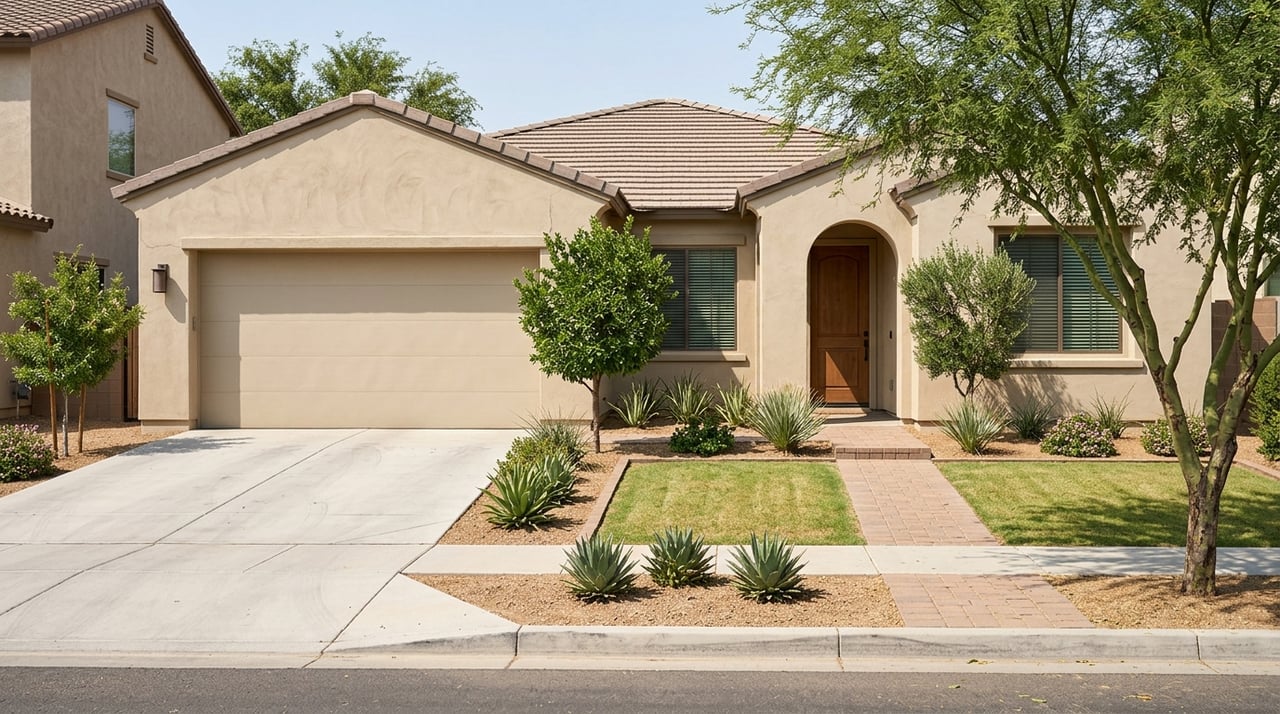
Mesa notes that the West Second Street Historic District developed through gradual lot splits and early suburban estates, while the Lehi subarea retains an urban-ranch character with minimum one-acre lots. For some buyers, that kind of lot pattern may offer more room for patios, gardens, play space, or storage needs tied to an active outdoor lifestyle.
Why yards and RV gates matter
If you own recreational gear, a trailer, or an RV, lot layout can be especially important. According to Mesa code, recreational vehicles must be stored in the rear or side yard behind the front face of the house, and larger RVs, campers, and travel trailers over 6 feet tall must be screened by a 6-foot fence, as outlined in the city’s code compliance brochure.
That helps explain why side yards, rear access, and RV gates can be valuable features in some established Mesa neighborhoods. If your outdoor lifestyle includes boats, trailers, or backyard entertaining equipment, these practical details are worth reviewing early in your home search.
What buyers should look for
If outdoor living is high on your list, it helps to evaluate both the property and the surrounding area. A great backyard matters, but so do the spaces and systems around it.
Here are a few smart things to look at:
- Shade coverage on streets, sidewalks, parks, and community spaces
- Trail and park access within the neighborhood or nearby
- Pool or splash pad options, whether community-based or city-operated
- Lot layout, especially side yards, backyard depth, and privacy
- Storage functionality for RVs, trailers, bikes, or outdoor gear
- Public recreation access that supports daily use, not just occasional outings
The goal is to match the neighborhood’s design with how you actually want to live. That is where local market knowledge can make a big difference.
What sellers can highlight
If you are selling a Mesa home, outdoor living features can be part of your home’s story, especially when they connect to the surrounding neighborhood. Buyers often respond well when they can picture not just the home, but the lifestyle around it.
Depending on the property, useful highlights may include shaded patios, yard space, pool access, proximity to trails, nearby parks, or functional side-yard storage. In neighborhoods like Eastmark, Las Sendas, or Dobson Ranch, community amenities may also strengthen your home’s appeal when presented clearly and accurately.
If you want help understanding how outdoor-living features fit into your pricing or marketing strategy in Mesa, The Real Estate Experts of Phoenix can help you evaluate what today’s buyers are noticing and how to position your home effectively.
FAQs
Which Mesa neighborhoods feel most outdoor-oriented?
- Eastmark, Las Sendas, and Dobson Ranch are among the clearest examples because they combine parks, pools, trails, or lakes with neighborhood design that supports outdoor use.
What public outdoor amenities matter most in Mesa?
- Riverview Park, Red Mountain Park, Desert Arroyo Park, Mesa’s trail system, and the city’s aquatic facilities all help make outdoor recreation part of everyday life.
How does Mesa address heat in outdoor spaces?
- Mesa’s climate planning includes urban forest expansion, shade-tree programs, and canopy goals that support more shade and reduced heat in neighborhoods and public spaces.
Why are yards and RV gates important in some Mesa neighborhoods?
- Mesa’s RV storage rules make side yards, rear-yard access, and screening especially useful for homeowners with RVs, campers, trailers, or outdoor gear.
Are older Mesa neighborhoods good for outdoor living too?
- Yes. Some older or rural-influenced areas offer larger lots, more private yard space, and flexible layouts that support a different kind of outdoor lifestyle than master-planned communities.